NEW case study on using audit to improve postnatal contraception uptake

3 Dec 2025

This case study by the 2025 Clinical Audit Hero Awards Efficiencies category winner, King’s College Hospital, London, showcases how they used audit data to improve provision, and uptake, of postnatal contraception.

Led by Dr Rahel Odonde, Consultant Obstetrician and Gynaecologist, the project supports antenatal and postnatal discussions about contraception, with the aim of providing chosen methods within 48 hours of birth or before discharge.

This case study highlights the importance of early, proactive contraceptive planning, and demonstrates how audit-driven, clinically-led collaboration can improve postnatal care pathways. It outlines how their innovative approach supports individual choice, reduces unplanned pregnancies, and enhances operational efficiency through coordinated multidisciplinary involvement.

Download the case study: Improving uptake of postnatal contraception at King’s College Hospital

This case study was developed as part of Clinical Audit Awareness Week 2025 (which took place 2–6 June 2025, #CAAW25). You can explore other available #CAAW25 resources by heading over to the #CAAW25 main webpage.

HQIP’s impact in 2024-25 – annual report

3 Dec 2025

The 2024-25 HQIP Trustees’ Report and Accounts has been published. Focusing on our activities from 1 April 2024 to 31 May 2025, it shares our vision, achievements and a financial update, as well as highlights of our impact on healthcare improvement.

There is a moral obligation to use the data that is already available, for the benefit of patients” Phil, NHS patient,” HQIP patient representative

We are proud to work with a multitude of others across healthcare to deliver our vision of improved health outcomes for everyone through evidence-driven healthcare. By running the largest suite of national clinical audits, outcome reviews and registries in the UK, we make high quality data on a wide range of clinical disciplines available to all; an essential tool for supporting efficiencies, reducing inequalities and, importantly, improving patient care and outcomes.

Highlights for the year 2024-25 include:

  • Impact of clinical audit in neonatal care – In just four years, the use of Deferred Cord Clamping (DCC) for preterm babies (as promoted by the National Neonatal Audit Programme, NNAP) rose from less than 29% in 2020 to almost 70% in 2023.
  • The importance of data sharing from a patient perspective – For patient representatives, contributing to our Data Access Request Group (DARG), is both
    meaningful and rewarding: “I believe that data provides a sound rationale for why we offer care in the way we do…I joined DARG to make sure that it is used primarily for the benefit of patients,” Phil, a DARG representative and long-time NHS patient.
  • How patient voice supports improvement in respiratory care – Find out how commissioned National Respiratory Audit Programme (NRAP) works with patients on an on-going basis to identify improvements that they themselves have prioritised – which, in turn, leads to meaningful changes to care.
  • Audit data helps to close the gap in maternity care – A landmark retrospective study demonstrated how national clinical audit data can lead to better outcomes in maternity care, highlighting the critical importance of these programmes.

Read in full: We hope that you will take a moment to read our report, and find out more about how the data and insights commissioned by HQIP have supported change that has a real impact on patient outcomes.

Healthcare data: The key to improvement and efficiency

3 Dec 2025

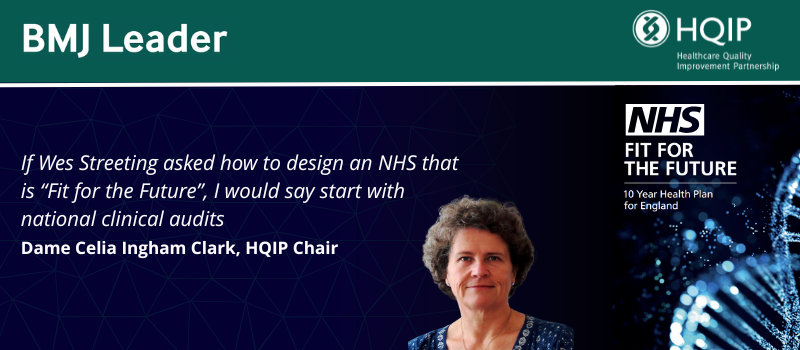
HQIP’s Chair and former NHS England deputy Medical Director, Dame Celia Ingham Clark, features in BMJ Leader this month, sharing why clinical audit must play a key role in designing an NHS that is “Fit for the Future”. 

“The challenges that the NHS faces are not new.  With an ageing population and staff shortages, we are faced with daily news headlines about soaring costs and long waiting lists. The 10 Year Plan Fit for the Future describes the pressing need to ensure a sustainable, financially-viable future for our NHS, focusing on community care, digital technologies, and prevention.  For local and national clinical leaders the real challenge comes in how to achieve this. These three ‘shifts’ need to be delivered alongside improving care quality and reducing costs. For me, the key lies in using the rich data source that is clinical audit. By measuring the quality of care, it enables us to see what is working well, and what is not, against recognised standards. It identifies where change would have the greatest impact, driving the targeted use of resources. As such, clinical audit is a critical tool in delivering efficiencies that will lead to the most important measures, improving and saving lives.

National clinical audit – the primary example of which is the National Clinical Audit and Patient Outcomes Programme (NCAPOP) – goes from strength to strength. Commissioned by the Healthcare Quality Improvement Partnership (HQIP), on behalf of NHS England and others, the NCAPOP comprises circa 40 audits and outcome reviews. These cover a wide range of services including cancer, mental health, and maternity care. NCAPOP has been running for decades, and measures care in line with standards set by NICE. Its programmes are trusted by clinicians and patients alike, not least because they are co-developed with both clinicians and patients. The NCAPOP has developed a robust and reliable approach to data collection, analysis and reporting, with many delivering quarterly data online updates and annual ‘State of the Nation’ reports. These reports provide readily accessible summary infographics and a focused number of recommendations for improvement that are developed with clinical, patient and commissioner input.

There are many examples of excellent audits out there; as a former colorectal surgeon I have a particular interest in the National Bowel Cancer Audit (NBOCA). Initially established by the Association of Coloproctology of Great Britain and Ireland (ACPGBI), this audit has a long-standing history of clinical engagement. It is now part of the National Cancer Audit Collaborating Centre (NATCAN) – a collaboration between the Royal College of Surgeons of England and the London School of Hygiene and Tropical Medicine – that covers ten different types of cancer, and is commissioned through the NCAPOP. The NBOCA focuses on surgical outcomes, non-surgical treatments, and new approaches to care such as genetic testing. The latter is significant as it aims to identify which patients are most likely to benefit from chemotherapy, and avoids the futile use of potentially toxic and costly treatment for patients with particular genetic profiles.

The NBOCA has reported improvements across a range of care and outcome measures over time, for example, 90-day postoperative mortality has almost halved over the past decade. There has also been a significant improvement in the two-year postoperative survival rate, resulting in approximately 1,150 additional people surviving two years after surgery1 (2021/22 saw a 5-percentage-point increase compared with 2012/13). These statistics highlight advancements in treatment pathways and multidisciplinary patient care across the sector. They also reflect another important aspect of clinical audits. By making data publicly available, and actively working with the healthcare community to support peer review, they identify areas for improvement. Audits operate an ‘outlier process’ which identifies where indicators at a Trust level fall significantly outside the expected range2. NHS England and the Care Quality Commission are notified of confirmed outliers, so that remedial actions can be taken. This is an extremely valuable process for Trusts, who often welcome the opportunity to understand where changes would have the greatest impact. One recent example is an NHS Trust that increased patient telephone follow-up on discharge to reduce unplanned emergency department attendances, following such a notification.

Clinical audits also support initiatives to improve care pathways directly. For example, patients who have had rectal cancer surgery are recommended to have their ileostomy closed within 18 months of first surgery, and this is currently the case for only 62% of patients1. As such, Close it Quick (a collaboration between NBOCA, the Royal College of Surgeons of England and the Association of Coloproctology) was launched to promote timely stoma closure, improve quality of life, and reduce the risk complications.

Another aspect of care where clinical audits are invaluable, is in shining a light on inequity. There are many examples where the data helps us to understand what is happening, so we have an opportunity to improve care for everyone. A highly reported example in recent years is maternity care. When looking at 2014-16 data, the MBRRACE-UK programme (part of the NCAPOP) found that women from Black ethnic backgrounds had five times the risk of maternal mortality, compared to white women. This finding emphasised the need for a continued focus on actions to address this disparity. By 2021-23, this statistic had reduced to around double. There’s still much work to be done, but, using data in this way provides clarity and shines a light on issues, leading to improvements like this.

So, what does all this mean for healthcare leaders, both providers and commissioners? Having been in a leadership role in the NHS for many years, I’m fully aware of the constant pressures to maintain and enhance quality of care while reducing avoidable costs. On a daily basis, you are having to ask ‘where should I allocate my resources to deliver maximum benefit to patients and the Trust?’. Clinical audits also provide assurance regarding clinical services through Quality Accounts, and in terms of performance against process and outcome metrics. Furthermore, they offer robust data that clinicians can include and reflect on in their annual appraisal.

If Wes Streeting called me tomorrow and asked my view on how to drive quality improvement when designing an NHS that is “Fit for the Future”, I would say ‘start with national clinical audits’. But, I would quickly follow that up with ‘don’t take my word for it, ask our patients’. Katrina Attwood, Chair of the NBOCA Patient and Public Involvement Forum, sums it perfectly, when she says: “I know first-hand how useful it is to have data. Audit is not a tick-box exercise – it’s driving real improvements for patients, and demystifying care, as well as shining a light on places where we need to do better.”

Notes:

1) Source: NBOCA State of the Nation report, published 9th Oct 2025

2) To 3 standard deviations

Latest news: November 2025 eBulletin

27 Nov 2025

The November edition of HQIP’s eBulletin is out now! It features the latest news and updates relating to clinical audit, outcome reviews and data-informed healthcare improvement, including: What’s new?
  • New case study on using audit to improve postnatal contraception uptake
  • Updated National Clinical Audit and Patient Outcomes Programme (NCAPOP) outliers policy
  • Updated guide to managing ethical issues in quality improvement and clinical audit projects
  • The National Joint Registry (NJR)  Quality Data Provider Scheme awards programme

A chance to revisit:

  • Latest reports and data
  • NJR Annual Report 2025
  • Last chance to apply: HQIP’s Medical Director vacancy
In other news:
  • Pre-market engagement session for Robotically Assisted Surgery Registry
  • Last chance to apply: FFFAP Scientific Advisory Group member
  • New NCMD briefing: Deaths of children due to neonatal HSV
Read HQIP’s latest eBulletin here.
Don’t forget to sign up: Keep up to date with our latest news, events and work programmes by subscribing to our mailing list today. You can also follow us on: LinkedIn and X: @HQIP

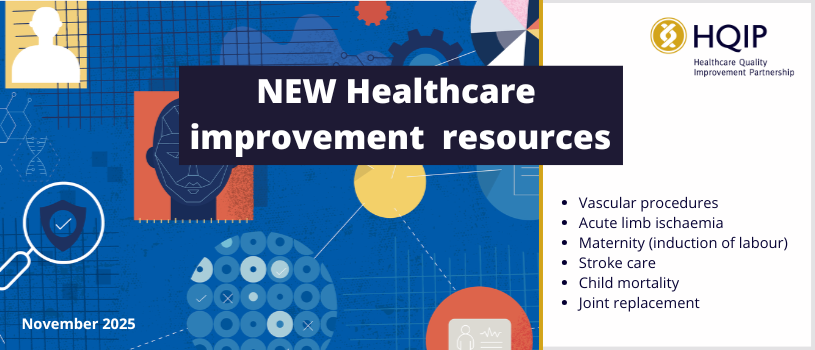
New resources published November 2025

13 Nov 2025

We are pleased to announce that the following NEW RESOURCES to support improvement in healthcare (reports with data, findings, infographics and recommendations), from HQIP’s audits, registries and programmes, have been published:

  • Vascular procedures: State of the Nation Report 2025, National Vascular Registry (NVR). Highlights the continuing challenges experienced by NHS vascular services.
  • Acute limb ischaemia: Risking Life and Limb Report, National Confidential Enquiry into Patient Outcome and Death (NCEPOD). A review of the quality of the care provided to adults with acute limb ischaemia (ALI).
  • Stroke care: State of the Nation Report 2025, Sentinel Stroke National Audit Programme (SSNAP). Highlights increasing delays are still evident from the time of stroke onset to hospital arrival.
  • Maternity: Induction of Labour Snapshot Audit, National Maternity and Perinatal Audit (NMPA). Includes findings that one in three women and birthing people had an induction of labour (IOL). Of those who were induced, one in three gave birth by caesarean.
  • Joint replacement: Annual Report 2025, National Joint Registry (NJR). NJR’s 22nd Annual Report which includes full analysis of hip, knee, shoulder, elbow and ankle joints.
  • Child mortality: Child Death Review data release 2025, National Child Mortality Database (NCMD). This data release summarises information about child deaths in England up to 31 March 2025, and the findings of reviews carried out by a Child Death Overview Panel (CDOP) on or before 31 March 2025.

All reports: All HQIP-commissioned reports can be accessed via our dedicated reports webpage. Stay up to date: Join our mailing list to receive notifications when new reports are published.

Updated guide on ethics in QI and clinical audit

5 Nov 2025

HQIP is pleased to share that the guide to managing ethical issues in quality improvement and clinical audit projects has now been updated. Derived from an extensive search and analysis of published literature on ethics and quality improvement or clinical audit carried out by Healthcare Quality Quest, it describes:
  • What’s involved in ethics and how ethical principles may apply
  • Why healthcare organisations should provide for ethical oversight
  • The difficulty in distinguishing between a research and a QI or clinical audit project as the basis for ethical review.
In summary, this guide states that ethical principles applied to the concept of QI should require every project, clinical audit or service evaluation to meet the following criteria:
  • Favourable benefit/risk balance
  • Scientifically valid
  • Equitable and reflecting priorities
  • Value
  • Awareness of conflict of obligation to patients.
It also contains a summary of the types of ethical actions for QI, clinical audit and service evaluation, as well as top tips for the successful management of ethical issues. Read in full: You can access the updated guide here. Don’t forget to sign up: Keep up to date with HQIP’s latest news, events and work programmes by subscribing to our mailing list today. You can also follow us on LinkedIn and X: @HQIP.

National Joint Registry Annual Report 2025

4 Nov 2025

The National Joint Registry (NJR), hosted by HQIP, has published its 22nd Annual Report, which covers the period from 1st April 2024 to 31st March 2025. Available online, via the NJR website, it contains full analysis of hip, knee, shoulder, elbow and ankle joints (with individual sections for each joint also available), and shows a continued reduction in joint revision surgery; evidence that implants are lasting longer, and that outcomes for patients have improved year-on-year. Having collected data since April 2003, with the purpose of improving patient outcomes following surgery, the Registry has now recorded over 4.5 million procedures. As a result of the increasing volume and quality of data, it is possible to make more accurate analysis available, acting as both a safeguard and a springboard, protecting patients today and shaping the orthopaedic care of tomorrow. As such, the NJR has been described as “the jewel in the crown of patient safety initiatives” by then National Medical Director of NHS England, Professor Sir Stephen Powis, and as a “global exemplar of an implantable medical device registry” by Baroness Cumberlege. Access the online NJR report: NJR Annual Report website
Don’t forget to sign up: Keep up to date with HQIP’s latest news, events and work programmes by subscribing to our mailing list today. You can also follow us on LinkedIn and X: @HQIP.

Latest news: October 2025 eBulletin

30 Oct 2025

The October edition of HQIP’s eBulletin is out now! It features the latest news and updates relating to clinical audit, outcome reviews and data-informed healthcare improvement, including: What’s new?
  • New case study on Post-Covid care
  • National Clinical Audit of Perioperative Care tender outcome
  • Professor Danny Keenan to retire as HQIP Medical Director
  • HQIP’s patient advocates guide national obesity care
  • Job opportunities at HQIP

A chance to revisit:

  • Latest reports and data
  • The value of audit in identifying health inequalities
In other news:
  • Patient story showcases the value of the NJR
  • HQIP staff representing national clinical audit at events
  • Publication of the CVDPREVENT June 2025 data
Read HQIP’s latest eBulletin here.
Don’t forget to sign up: Keep up to date with our latest news, events and work programmes by subscribing to our mailing list today. You can also follow us on LinkedIn and X: @HQIP

Leadership vacancy: HQIP Medical Director

23 Oct 2025

HQIP recently announced that Professor Danny Keenan will be retiring from his role as Medical Director in the new year. Over more than a decade, Danny has played a pivotal role in advancing HQIP’s mission to drive quality improvement across the NHS through clinical audit and national registries. Find out more about his outstanding leadership and impact at HQIP and beyond in this article. We now begin the process of recruiting Danny’s successor, to ensure continuity of clinical leadership and build on the strong foundation he has established. We are seeking an outstanding Medical Director to provide senior clinical leadership across our national portfolio of clinical audits, confidential enquiries, and registries. This high-profile role will shape the way data is used to improve patient outcomes, strengthen multidisciplinary leadership, and represent the voice of clinicians and patients in national discussions. The successful candidate will work alongside our Chief Executive, Chris Gush, and the Board of Trustees to provide credible and visible clinical leadership for HQIP programmes and partners. Already having extensive national networks and credibility across the NHS and professional bodies, they will build further on these to create strong partnerships with NHS England, Department of Health and Social Care, Royal Colleges, regulators, and patient organisations. This is an exceptional opportunity for an experienced and credible clinical leader to influence national practice, champion improvement, and help shape the future of audit and registry programmes. The role is part time (two days per week) for a fixed term of three years and the closing date for applications is 11pm 30 November.

Find out more and how to apply

Reminder: NHS England Quality Accounts List 2026-27: Annual Scoping Survey

20 Oct 2025

Providers of national audits and quality improvement projects that would like to be considered for inclusion in the NHS England Quality Accounts List 2026-27 are asked to complete the scoping survey linked below by Monday 27 October 2025. (Projects commissioned by HQIP, as part of the NCAPOP, do not need to complete a scoping survey) Please complete the survey using this link. Further information can be found on the HQIP Quality Accounts webpage. Full survey url: https://www.surveymonkey.com/r/P2CQC22
Don’t forget to sign up: Keep up to date with our latest news, events and work programmes by subscribing to our mailing list today. You can also follow us on LinkedIn and X: @HQIP

NEW case study on using audit to improve Post-Covid Syndrome care

19 Oct 2025

HQIP is pleased to share a new case study from the 2025 Clinical Audit Hero Award Influencing Change runner-up, East Suffolk and North Essex NHS Foundation Trust Long Covid team in partnership with KiActiv, which showcases how they used clinical audit data to evaluate and improve Post-Covid Syndrome care.

Led by Sarah Fowler, Clinical Audit Facilitator, and a multidisciplinary team, their project assessed the effectiveness of a new digital intervention integrated into routine clinical care for patients experiencing Post-Covid Syndrome. By embedding structured evaluation metrics from the outset, it highlights how collaborative, audit-informed innovation can enhance recovery pathways, relieve pressure on traditional services, and deliver measurable value across clinical, operational and financial domains.

Download the case study: Case Study – Influencing Change Runner-Up East Suffolk and North Essex NHS FT

This case study was developed as part of Clinical Audit Awareness Week 2025 (which took place 2–6 June 2025, #CAAW25). You can explore other available #CAAW25 resources by heading over to the #CAAW25 main webpage.

Professor Danny Keenan to Retire as HQIP Medical Director

19 Oct 2025

HQIP announces that Professor Danny Keenan will be retiring from his role as HQIP Medical Director in the new year, marking the end of an extraordinary chapter in the organisation’s history.

Danny has served as HQIP’s first and only Medical Director since 2013, providing outstanding leadership, clinical insight, and an unwavering commitment to improving patient care. Over more than a decade, he has played a pivotal role in advancing HQIP’s mission to drive quality improvement across the NHS through clinical audit and national registries. Under Danny’s leadership, HQIP’s clinical programmes have become internationally recognised examples of how audit data can be used to deliver meaningful change. He has clinically led the National Clinical Audit and Patient Outcomes Programme (NCAPOP), commissioned by NHS England, which now spans over forty clinical specialties and provides critical intelligence to improve patient outcomes across the health system. Danny’s influence has been transformative. He pioneered National Clinical Audit Benchmarking, enabling NHS Trusts to measure and understand their performance, address unwarranted variation, and share learning more transparently. He has also been instrumental in positioning clinical audit as a cornerstone of healthcare improvement, fostering a culture of openness, accountability, and continual learning. His work has extended well beyond HQIP. As Clinical Director at the Manchester Heart Centre, he led one of the UK’s most advanced cardiothoracic surgery units. As an Honorary Professor of Cardiothoracic Surgery at the University of Manchester, he has mentored generations of clinicians and future healthcare leaders. Danny has also served as Clinical Advisor to the Care Quality Commission and as Chair of the Indicator Advisory Committee for NICE, helping to shape national standards and policy on outcomes and quality. Danny’s commitment to improving care has left a lasting mark on HQIP, and the NHS as a whole. His belief in the power of clinical audit to drive better care has become part of HQIP’s DNA, influencing national programmes and international practice alike. HQIP Chief Executive Chris Gush said:
“Danny’s contribution to HQIP and to the wider healthcare system has been immense. His leadership, wisdom, and passion for improvement have shaped much of what HQIP stands for today. We are deeply grateful for his service and wish him every happiness in his retirement.”

Recruiting Danny’s successor

HQIP will shortly begin the process of recruiting Danny’s successor to ensure continuity of clinical leadership and to build on the strong foundation he has established. The role description and application details for the Medical Director position will be posted on our Work With Us webpage later this week.

The right fit for patients

15 Oct 2025

How HQIP’s patient advocates are guiding national obesity care. 

It’s estimated that one in four adults is currently living with obesity, a serious health condition that significantly increases the risk of type 2 diabetes, heart disease and stroke. This comes at an enormous cost that far exceeds financial implications. Living with obesity can affect quality of life, and have wide-reaching implications relating to mental health, employment and many other issues. So it’s paramount that care is effective. To achieve that, it needs to be delivered in the right way – and that’s where HQIP’s patient advocates come in…

Meet Aurora. She is a young professional working in HR & Finance in London. Nothing too unusual about that, you might think. However, thanks to Aurora – and others like her – the NHS is able to tailor its obesity prevention programme (including the use of ‘weight loss injections’) so that it better meets the needs of patients. Then, it is more likely to be successful, leading to a healthier, happier nation.

HQIP is proud to play a pivotal role in this initiative. We have long-since run a Service User Network (SUN), who support HQIP-commissioned programmes by guiding and co-creating our work. By working in partnership, HQIP and our patient advocates have built a reputation for promoting the use of plain language and accessible processes. This is how we came to establish a specific Obesity User Panel in April 2022. HQIP is a long-term partner of NHS England, and we were initially approached by them to provide patient input into a dashboard they were putting together on obesity care, to make it accessible and inclusive.

The success of this initial interaction meant that the Panel was asked to provide feedback on other aspects of NHS obesity prevention work. For example, supporting the development of an accessible user guide, to support the use of the dashboard. At first the Panel comprised of 20 patients, but this grew to 30 by 2025, following a request from NHS England to increase the numbers – due to an escalation in interest about new treatments such as ‘obesity jabs’. It also meant that we were able to better represent the wider patient community, and have more diverse experience and cultural backgrounds included in decision making.

Aurora explains why she became involved: “I joined the Panel, after seeing an advert from HQIP asking for people with lived experience of obesity healthcare services, in the Patient Association newsletter. I was immediately interested since, at the time, there was uncertainty as to which care pathway I should follow. I began weight management around three years ago, and my experience has not always been the easiest, which showed me how important it is for the patient perspective to be heard. Every patient journey is different. Some people seek help first via A&E, and some via their GP etc but, in my experience, many go ‘around the houses’ within the system to find the help they need. I have received both Level 2 and Level 3 treatments, and tried digital weight management programmes as well as injections. But I was finding that it was very time-consuming to piece together the different aspects of my care, such as obtaining results from different departments, and linking between both the primary and secondary care systems. In short, I wanted to get involved because I believe that healthcare services are stronger and more effective when they are shaped by the people who use them.”

What does your involvement look like in practice?

“We are involved in many different things. We might be asked to share our views on proposed approaches to implementing a new provision, or our experience about access to services, and we are often asked to provide feedback into patient resources and materials. Previously, we worked together with HQIP on a response to a NICE* consultation on obesity care; while more recently, we provided input into wrap-around care. HQIP held a focus group, attended by NHS England, to understand patients’ views on the wider aspects of care such as mental health and communications etc. More generally, we participate in online meetings and focus groups, and provide one-to-one feedback via surveys and by email. For me, I always try to make the most of being involved, by asking questions and identifying potential impacts for patients.”

What are the benefits, and challenges, of being involved?

“I genuinely feel that my view is taken into account. I simply couldn’t commit the time if I didn’t feel that my voice was being listened to. I have to juggle many things to be involved as, in addition to work, I also have caring responsibilities. It’s that important to me. There is a genuine willingness from NHS England, to adjust their plans based on what we tell them. For instance, we have said that there is a need to take into account individual and cultural differences, such as dietary habits and barriers to accessing services; and NHS England is listening to this important feedback. It’s great to know that service design will better reflect patient priorities as a result.

Also, the User Panel is a really collaborative experience, we are a community. Everyone values each other’s input. When I am together with people with similar experiences, I am able to learn from them. Their insights and perspective can – and have – helped me to better understand my own condition and care. For example, I can find out about the experience of someone who is accessing services in another part of the country.”

“However, there are some challenges, as there are with any activity like this. Time is restricted and effort needs to be made to make sure that all voices are heard, particularly if someone has a complex medical history. Then there’s the terminology – for some, not having a great health literacy can be a challenge. But HQIP takes our needs into consideration, and makes adjustments where possible. For example, they provide information in advance about deadlines and any preparation that is needed, and they have changed the way they communicate with the whole group.”

From HQIP’s point of view, we are grateful to patient partners like Aurora, who dedicate time and energy to share insights about their care and treatment. As she has stated here – and as outlined in key government strategies such as the 10 Year Health Plan for England – patient engagement is crucial for healthcare. We are starting to see strategies that are more culturally sensitive which support tailored health interventions for communities where, for example, there may be less awareness of healthy eating habits or lifestyle changes. One important recent change is that health conditions (rather than just BMI) should inform care, with adjustments made to BMI thresholds for certain ethnic groups based on increased health risks. There’s also an acknowledgement more generally that services, public health campaigns and outreach efforts need to be more localised and culturally relevant, and involve community leaders. Only by working closely with patients and communities, can we truly understand their priorities and concerns, and deliver services that meet all of our needs.

So, what’s next for Aurora? Her weight loss journey continues, albeit temporarily halted due to unrelated surgery. However, she continues to be an invaluable asset to HQIP’s Obesity User Panel. In fact, she has since been invited to join our Service User Network (SUN), providing insights and feedback to all of our work. But what are her hopes for the future? “We need to continue to engage patients in decisions made about care, and inform them about the impact of those decisions, taking into account both the medical and social factors that patients face. I would like to see more holistic care provided, where the different services are joined up. And I would like to see everything explained clearly, in an accessible way. However, I am proud to be part of a process that will, in my opinion, lead to these changes being made. As such, I look forward to a future where obesity – indeed, all – care is realistic, compassionate and personalised.”

Further information

*National Institute for Health and Care Excellence (NICE)

The Power of Patient and Public Involvement (PPI) in Healthcare Improvement

9 Oct 2025

How PPI Benefits the Wider Healthcare Landscape and Can Help Tackle Health Inequalities

By Kim Rezel, Head of Patient and Carer Engagement at HQIP, and Amy Wizard Ponter, HQIP SUN member “Today, power in the health service could not be further away from its patients”, said The Rt Hon Wes Streeting MP, Health and Social Care Secretary, at NHS ConfedExpo in June 2025. Patient and Public Involvement (PPI) is an essential component of healthcare improvement. It ensures that services are designed with the people who use them, not for them, with their voices being at the heart of decision-making. The CORE20PLUS5 framework emphasises the importance of engaging patients, particularly those from under-represented groups, to drive meaningful change. By incorporating diverse perspectives, healthcare organisations can enhance transparency, inclusivity, and – ultimately – patient outcomes. This article considers some of the multitude of benefits that effective PPI can bring, how to overcome potential barriers to engagement, and examples of real-world PPI in action.

The Transformative Power of Involving People with Lived Experience

Engaging people with lived experience in healthcare must never be a tick box exercise or after-thought. When done properly, with true co-production, it has huge benefits including:
  • Enhancing healthcare improvement by prioritising what matters to patients: Patients bring unique insights that clinicians and healthcare professionals may not consider, helping to shape more effective and patient-centred services. Understanding the priorities and concerns of those with lived experience helps produce and deliver services and resources that bring better outcomes for patients – ultimately, what we are all trying to achieve.
  • Including diverse perspectives and helping tackle health inequalities: Involving individuals from various backgrounds helps to understand diverse needs of individuals and communities. This is especially important when considering healthcare inequalities and hearing from those experiencing the worst health outcomes.
  • Strengthening transparency and inclusivity: A more collaborative approach fosters trust and accountability within the healthcare system, providing patients and carers with knowledge and understanding to empower them to be involved. This could be in their own care, the co-design of services for everyone, or the co-production of healthcare resources.
  • Learning and evolving: Service users bring not only their insights, but their wide-ranging skills too. These can be utilised in all aspects of service improvement.
  • Working together is better for staff too: Collaboration helps to boost morale and fosters effective working towards a common goal, with staff and patients alike thereby benefiting.

Addressing Healthcare Disparities through Proactive Engagement

Health inequalities remain a significant challenge within the NHS. Men living in the most deprived areas of England die almost 10 years earlier than those in the least deprived areas, while women face a gap of nearly 8 years. The National Prostate Cancer Audit State of the Nation Report, published January 2025, highlighted how the percentage of men with high-risk/locally advanced cancer who received radical treatment showed a graded association between treatment and deprivation. Treatment rates decreased from 83.2% in the least deprived areas to 75.4% in the most deprived areas for men aged 60 to 69 years. For the period reported, black populations had more cases per 1,000 men than other ethnicities across all ages and stages at diagnosis. This was true in both ‘black or black British–African’ and ‘black or black British–Caribbean’ groups, with larger increases seen for the former group. Such disparities highlight the urgent need for targeted engagement with communities experiencing the greatest health inequalities. Proactively engaging communities ensures that the voices of those most affected by disparities are heard. By working closely with local organisations, we can design interventions that directly address specific needs, helping to bridge the health equity gap. Aligning these efforts with NHS priorities, such as CORE20PLUS5, further strengthens the impact of such initiatives.

Overcoming Barriers to Effective PPI

While the benefits of PPI are clear, challenges can hinder meaningful engagement. Here are some common barriers and strategies to overcome them:
  • Time constraints: Collaborate with grassroots organisations, faith groups, and cultural spaces that have existing networks within the communities you wish to reach. These groups likely have established relationships and are keen to support dissemination efforts. Do keep in mind that these organisations often operate with limited funding, so consider offering financial support for their time and expertise, or other benefits, such as helping to elevate their work.
  • Leverage already existing data: Drawing on information that is already out there related to your project can help inform who and where to target and how to reach varied audiences to represent diverse voices.
  • Budget limitations: Start small and remember that delivering the right service from the outset can prevent wasted resources in the long-term. Financial incentives for involvement do have their place, but a ‘thank you’ payment must align with your organisational budget – being clear on the incentives that you can offer from the outset is key. Set out what being involved can mean for the patient, whether it’s learning and development, participating in change, and/or financial.
  • Champion the PPI voice: Effectively conveying the value of the input people have, such as demonstrating meaningful change or showing what they have directly impacted, can be a key driver for engagement.
  • Tap into what really matters: Consider your project priorities; if these are in line with what resonates with diverse people and communities, then they will want to be involved.
  • Use their work and input: Co-authorship, co-design and co-production! Showing the value of someone’s work and input is great for morale and shows that a difference is being made.
  • Public awareness: Utilise trusted spaces, such as GP surgeries, faith communities, community centres, and social media, to share information and engagement opportunities.
  • Cultural competency: Collaborate with local/community organisations to ensure staff are trained to engage with diverse communities in culturally sensitive ways.
  • Accessibility: Offer multiple engagement methods, including virtual sessions, in-person meetings, and arts-based approaches. Be flexible too – allow people different ways to be involved, giving them choice and control.
  • Offer additional benefits: Incentivise people by offering things like training, enabling them to add skills to their CV and giving them an extra reason to participate.
  • Encourage ideas and creativity: This galvanises people to be included and to see that their priorities are being taken seriously.
  • Disseminate effectively: Whether you wish to create knowledge about your project itself or get the word out that you are seeking to involve more people and communities, work with your public voices to create and use the best approaches to achieve multiple positive benefits and outcomes.
  • Equity and value: This is essential. Participation from patient advocates is just as important as participation from clinicians and healthcare professionals, so they must be treated as equals. This leads to longer-term loyalty and commitment, building of good working relationships and establishing trust.
“I’m an expert by experience, just like the rest of the table are experts in their field. My time and input are worth no less than theirs.” Meg, SUN member

PPI in action: Shaping improved outcomes

At HQIP, we have seen first-hand how PPI can improve outcomes. Our National Clinical Audit and Patient Outcomes Programme (NCAPOP) projects undergo continuous improvements, with their outputs and outcomes enhanced through collaborating with, and listening to, their patient advocates. Let’s look at some examples of excellent PPI that demonstrate how to drive inclusivity and widen the pool of those able and willing to contribute.

Epilepsy 12 National Audit

The Epilepsy 12 team collaborate with a group of Youth Advocates (YA), not only to hear their views of epilepsy care but also to empower them to contribute to the way the audit is run. Based on the YA engagement, the audit’s dataset evolved to include the monitoring of mental health, impact on education, and transition from children’s to adults’ epilepsy services – priorities raised by the YA and epilepsy charities that partner in the project. Work is driven by the YA collective voice, which makes for better PPI, giving validity and merit to the ideas, innovations, and motivations of those getting involved in quality improvements. A key aspect of the success of the group has been open and flexible engagement. YA have the control – they choose when and how they are involved. This actually encourages longer-term commitment, as the YA are not signed up for a set time period, reducing pressure on them. The young people also mutually benefit, not only from their involvement and impact on actual change, but also by developing their confidence, leadership, and other skills. It is important to ensure benefits on both sides in any PPI – and if that can extend beyond the direct service improvement, it not only encourages existing participants to become further involved but also helps inspire other young people to join the work too. One YA shared: “The impact for me has been seeing how it started off so small with a few clinics, to how well known it is now nationwide. We’re helping so many patients and families.”

National Confidential Inquiry into Suicide and Safety in Mental Health (NCISH)

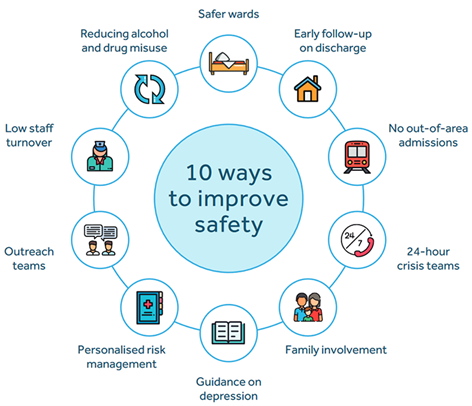
The Mental Health Clinical Outcome Review Programme, delivered by the National Confidential Inquiry into Suicide and Safety in Mental Health (NCISH) and commissioned by HQIP, has been collecting information on suicides since 1996. Looking at the circumstances leading up to a person’s suicide, and any factors which may be related to management of the person’s care over decades, have led to important recommendations that make a difference to suicide rates through care improvements. Taking into consideration numerous findings from various primary and secondary care resources, they have created clinical standards based on real-world data. NCISH work actively with PPI, truly establishing the views of many in all aspects of their vital work. They collaborate with the Mutual Support for Mental Health PPI group; people with personal experience of self-harm, suicidal behaviour, or mental illness, or of caring for people with such experiences. This collaboration enables NCISH to inform recommendations through PPI input, develop new areas of work based on service user priorities, and make care safer through developing research. PPI also guides them when creating resources, and when considering communication approaches and how to disseminate outputs most effectively. Some of the changes they have implemented are shown in this image:

Listening to marginalised voices in maternity

In an HQIP project commissioned by NHS England to inform the development of an inclusive Patient-Reported Experience Measure for maternity care, we engaged with seldom heard communities about their experiences. Rather than repeating engagement processes that had already been conducted, we leveraged existing research and spoke to organisations who had already connected with affected communities. Collaborating with community networks and organisations is an important step to learning and building relationships. It eases pressure on your resources, saves funding, and promotes smaller organisations. Yet, it is also an excellent way to truly find the information and data that you need with those who may be more ‘on the ground’ than you are able to be. Find out more about how this approach uncovered fresh insights and the impact the project had in this case study.

Final reflections

True healthcare improvement requires the voices of those who experience the system first-hand. PPI is not just a policy requirement or a ‘nice to have’ – it is a powerful tool for designing services that are truly patient-centred. It is at the core of driving meaningful change; it is both an expectation and need across all healthcare. There are a multitude of ways to utilise PPI so that it is beneficial for all, staff and patients alike. By actively engaging with all communities, overcoming any barriers and working collaboratively, we can ensure that healthcare services are equitable, effective and aligned with the needs of the people they serve. With the challenges the NHS currently faces and a widely understood need for transformation and improvement, as articulated by the NHS 10 Year Plan for England, meaningful patient and public engagement has perhaps never been more essential. With thanks to Amy Wizard Ponter, HQIP SUN member, for co-authoring this article.

More on patient engagement in clinical audit

New resources published October 2025

9 Oct 2025

We are pleased to announce that the following NEW RESOURCES to support quality improvement in healthcare (reports with data, findings, infographics and recommendations), from HQIP-commissioned audits and programmes, have been published:

  • Respiratory care clinical outcomes and outlier reportNational Respiratory Audit Programme (NRAP). With key findings in relation to mortality and readmissions, this report can be used by service providers, commissioners and clinical teams to identify areas of success or those requiring improvement to facilitate and influence change.
  • Neonatal care – summary report 2024 dataNational Neonatal Audit Programme (NNAP). Includes a number of key findings, as well as recommendations, for improvement on a range of areas including parental partnership, equity, and neonatal nurse staffing.
  • Rheumatic diseases – State of the Nation 2025National Early Inflammatory Arthritis Audit (NEIAA). In addition to key findings, this report includes an exemplar case study and five recommendations for improvement.
  • Inpatient falls – Stepping towards improvementNational Audit of Inpatient Falls (NAIF), part of the Falls and Fragility Fractures Audit Programme (FFFAP). Introduces, for the first time, statistics that describe the age, sex and multiple deprivation of patients.
  • Emergency laparotomy – tenth patient report, National Emergency Laparotomy Audit (NELA). Found evidence of wide variation between hospitals in both processes and outcomes of care, and so contains suggestions for quality improvement (QI) as well as recommendations for Royal Colleges and healthcare commissioners.
  • Blood sodium reportMedical and Surgical Outcome Review Programme (NCEPOD). States that care and outcomes can be improved through timely and appropriate identification and investigation, consistent recording, and effective communication.
  • Prostate cancer – State of the Nation reportNational Prostate Cancer Audit (NPCA), part of the National Cancer Audit Collaborating Centre (NATCAN). Found that there was wide variation in the use of appropriate treatment between different hospitals.
  • Bowel cancer – State of the Nation reportNational Bowel Cancer Audit (NBOCA), part of the National Cancer Audit Collaborating Centre (NATCAN). The proportion of people diagnosed with stage 1 or 2 bowel cancer has gradually increased, while peri-operative outcomes continue to improve.

Further data

In addition, we are pleased to share that the following data is also available this month:
  • Stroke careSentinel Stroke National Audit Programme (SSNAP), April-June 2025 data and Organisational Audit portfolio May 2025
  • Mental healthNational Confidential Inquiry into Suicide and Safety in Mental Health (NCISH), latest quarterly data
  • CancerNational Cancer Audit Collaborating Centre (NATCAN), latest quarterly data on:
    • Primary breast cancer
    • Metastatic breast cancer
    • Ovarian cancer
    • Pancreatic cancer
    • Non-Hodgkin lymphoma
    • Kidney cancer
    • Oesophagogastric cancer
    • Lung cancer
    • Bowel cancer
    • Prostate cancer.

All reports: All HQIP-commissioned reports can be accessed via our dedicated reports webpage. Stay up to date: Join our mailing list to receive notifications when new reports are published.