CAAW26 Use of National Clinical Audit winners announced

26 Jun 2026

We are delighted to share that the winners of the Using National Clinical Audit commendation (part of the Excellence in Clinical Audit Awards 2026 during Clinical Audit Awareness Week) have been announced!  

This is an additional award given to projects that demonstrate excellence in the use of data from the HQIP-commissioned National Clinical Audit and Patient Outcomes Programme (NCAPOP), to deliver improvements in healthcare. Many congratulations to:  

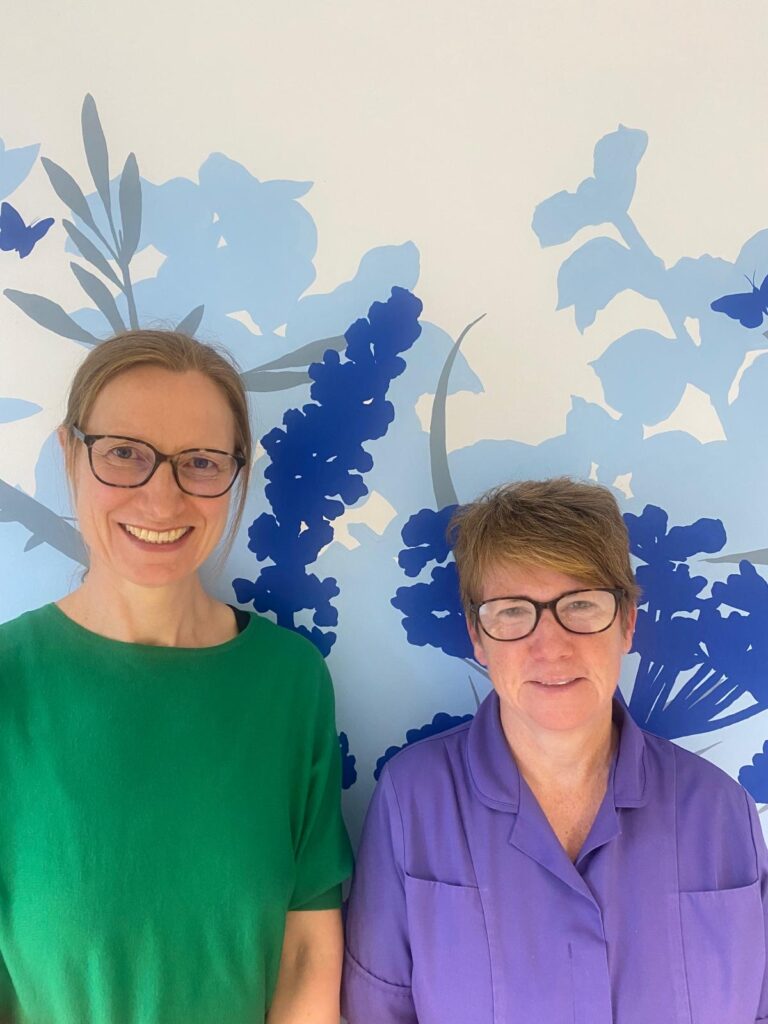
Dr Singh

This project aimed to strengthen secondary fracture prevention by improving fragility fracture identification and management, using data from the Falls and Fragility Fracture audit (FFFAP). The team designed and implemented a digitally enabled model that replaced multi-step referrals with a streamlined, system-wide automated identification process. With poor case ascertainment at the outset (22.7% in 2021), identification rose to 80% (3,015 cases) in 2025, double the national benchmark of 40% (and achieved five years earlier than planned).

ELHT A Thorpe J Gaskell photo NCAPOP commendation joint winner

This project used data from the National Audit of Care at the End of Life (NACEL) to drive improvements, including care planning and communication with patients and their families. Analysis of results from 2019 to 2025 demonstrated sustained improvement across key NACEL indicators and patient experience measures, with the Trust moving from one of the lowest ranked in 2019 to exceeding all NACEL key indicators in 2025. 

NPDA-logo

This project made extensive use of data from the National Paediatric Diabetes Audit (NPDA), enabling real-time monitoring of uptake, equity, outcomes, and service variation. By integrating a variety of datasets from across the system, the programme created a comprehensive national view of diabetes care for children and young people. It led to substantial improvements in access to diabetes treatments without increasing data burden for clinical teams.

Who are the other winners? 

This award is one of five main, and two additional commendation, categories in this year’s Excellence in Clinical Audit Awards. The winners are announced at a series of daily online events from 22-26 June 2026, which are run alongside a series of themed webinars, aligned to the award categories. 

All award winners announced so far can be found here: Excellence in Clinical Audit Awards.


Clinical Audit Awareness Week 2026 

A week-long national campaign that aims to improve and save lives by promoting and celebrating the critical role of clinical audit and data-driven healthcare improvement. Join in the fun by sharing online, using #CAAW26! 

Find out more: Clinical Audit Awareness Week 2026 

CAAW26 Communicating for Impact winners announced

26 Jun 2026

We are delighted to share that the winners of the Communicating for Impact commendation (part of the Excellence in Clinical Audit Awards 2026 during Clinical Audit Awareness Week) have been announced!  

This is an additional award given to projects that demonstrate excellence in effective communication of the impact of clinical audit and/or improvement projects. Many congratulations to:  

Reaching the Unreached: Transforming Child Mental Health Access in Diverse Communities is a data-informed quality improvement approach to building trust, awareness, and culturally responsive involvement. The project communicated its impact through strong community engagement, data transparency, and collaborative learning. Using messaging that was accessible, culturally relevant and trusted, it utilised a combination of data, storytelling and community-based communication to ensure that the project’s impact was widely understood.

The team communicated through a coordinated, multi-audience approach designed to reach patients, families, carers and healthcare professionals. A suite of patient-focused resources was developed, enabling easy discovery and trust, in addition to tailored implementation packs for healthcare professionals. Clear analytics, user feedback and real patient experiences have consistently been used to evidence reach, engagement and value, ensuring the project’s impact is visible, credible and compelling to all stakeholders. 

This quality improvement project was designed to evaluate and improve the outcomes and experiences of patients attending the Dental Drop-in Clinic for Birmingham’s homeless community. Using effective communication through multidisciplinary partners, staff training and patient communications, feedback, complaints and incident data were all used alongside qualitative quotations to reinforce a patient-centred narrative and improve care.

The SGS delivers gambling disorder treatments across a population of 9.4 million people in the South of England. They work with their lived experience group to ensure that their work is co-produced and informed by need and impact for all people with gambling disorders, for example working with them on scientific journal publications, poster presentations and conference attendance. They are also working with NHS England and others, to lead and promote similar work at a national level.

Who are the other winners? 

This award is one of five main, and two additional commendation, categories in this year’s Excellence in Clinical Audit Awards. The winners are announced at a series of daily online events from 22-26 June 2026, which are run alongside a series of themed webinars, aligned to the award categories. 

All award winners announced so far can be found here: Excellence in Clinical Audit Awards.


Clinical Audit Awareness Week 2026 

A week-long national campaign that aims to improve and save lives by promoting and celebrating the critical role of clinical audit and data-driven healthcare improvement. Join in the fun by sharing online, using #CAAW26! 

Find out more: Clinical Audit Awareness Week 2026 

CAAW26 Evidence into Practice award winners announced

26 Jun 2026

We are delighted to share that the winners of the Evidence into Practice category of the Excellence in Clinical Audit Awards 2026, which are part of Clinical Audit Awareness Week, have been announced!  

This award recognises clinical audits and evidence-informed improvement projects that have resulted in clear and impactful change to the delivery of services. These evidence-based projects have resulted in practical action on the ground, helping teams and systems to deliver meaningful change and improve care for patients. Many congratulations to:  

Dr Singh

This project aimed to strengthen secondary fracture prevention by improving fragility fracture identification and management, using audit. The team designed and implemented a digitally-enabled model that replaced multi-step referrals with a streamlined, system-wide automated identification process. With poor case ascertainment at the outset (22.7% in 2021), identification rose to 80% (3,015 cases) in 2025, double the national benchmark of 40% (and achieved five years earlier than planned).

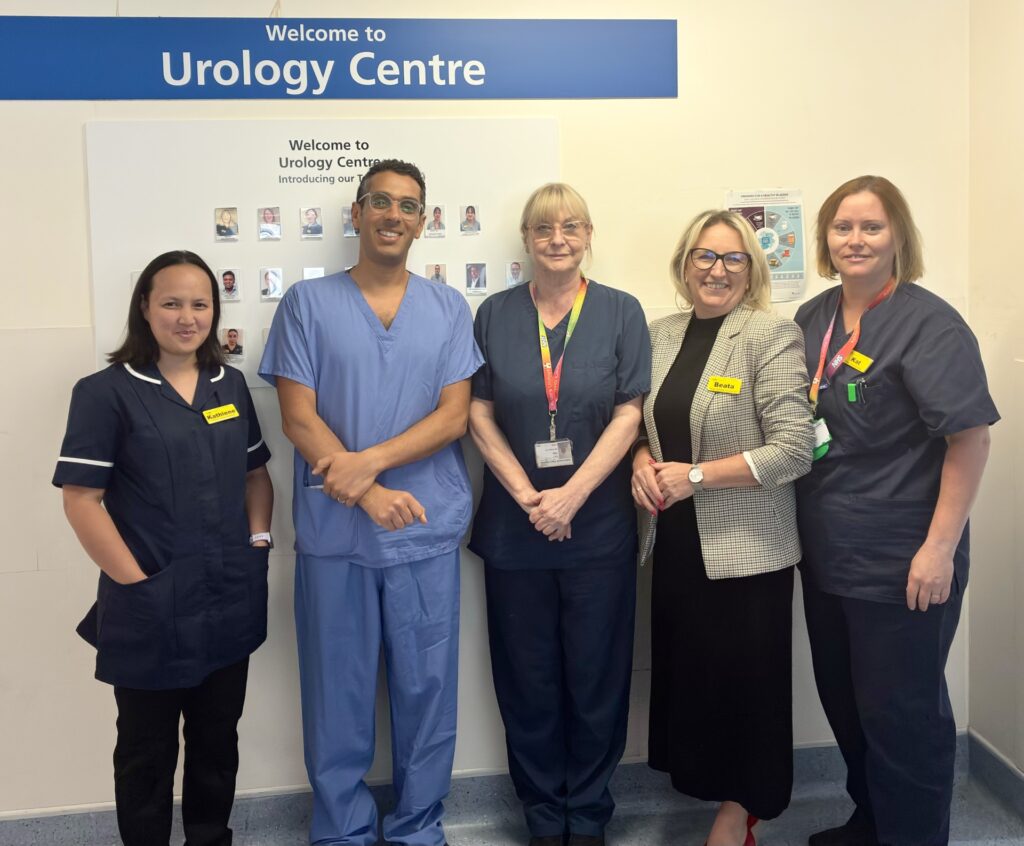
Service Redesign and Capacity Improvement Through Nurse Practitioner Role Expansion in the Prostate Biopsy Pathway

This project (Service Redesign and Capacity Improvement Through Nurse Practitioner Role Expansion in the Prostate Biopsy Pathway) uses audit to address critical delays between clinic review and LATP biopsy, and improve outcomes for prostate cancer patients. The result was an increase in clinic capacity by 33.3% and biopsy capacity by 37.5%, without requiring additional consultant sessions or theatre lists; maximising the use of limited resources and demonstrating evidence into practice. 

This project was designed as a structured, multi-cycle clinical audit to evaluate compliance with policy and guidelines of Clozapine, an antipsychotic medication with risk of fatal side effects. It combined robust quantitative monitoring with multidisciplinary qualitative analysis, enabling clear identification of issues, to deliver a strong foundation for evidence-informed change. Across the three cycles, the audit demonstrated transformational improvements and sustained adoption.

Who are the other winners? 

This award is one of five main, and two additional commendation, categories in this year’s Excellence in Clinical Audit Awards. The winners are announced at a series of daily online events from 22-26 June 2026, which are run alongside a series of themed webinars, aligned to the award categories. 

All award winners announced so far can be found here: Excellence in Clinical Audit Awards.


Clinical Audit Awareness Week 2026 

A week-long national campaign that aims to improve and save lives by promoting and celebrating the critical role of clinical audit and data-driven healthcare improvement. Join in the fun by sharing online, using #CAAW26! 

Find out more: Clinical Audit Awareness Week 2026 

CAAW26 Patient Safety award winners announced

25 Jun 2026

We are delighted to share that the winners of the Patient Safety category of the Excellence in Clinical Audit Awards 2026, which are part of Clinical Audit Awareness Week, have been announced!  

This award recognises clinical audits and evidence-informed improvement projects that have a primary focus on improving patient safety. Many congratulations to:  

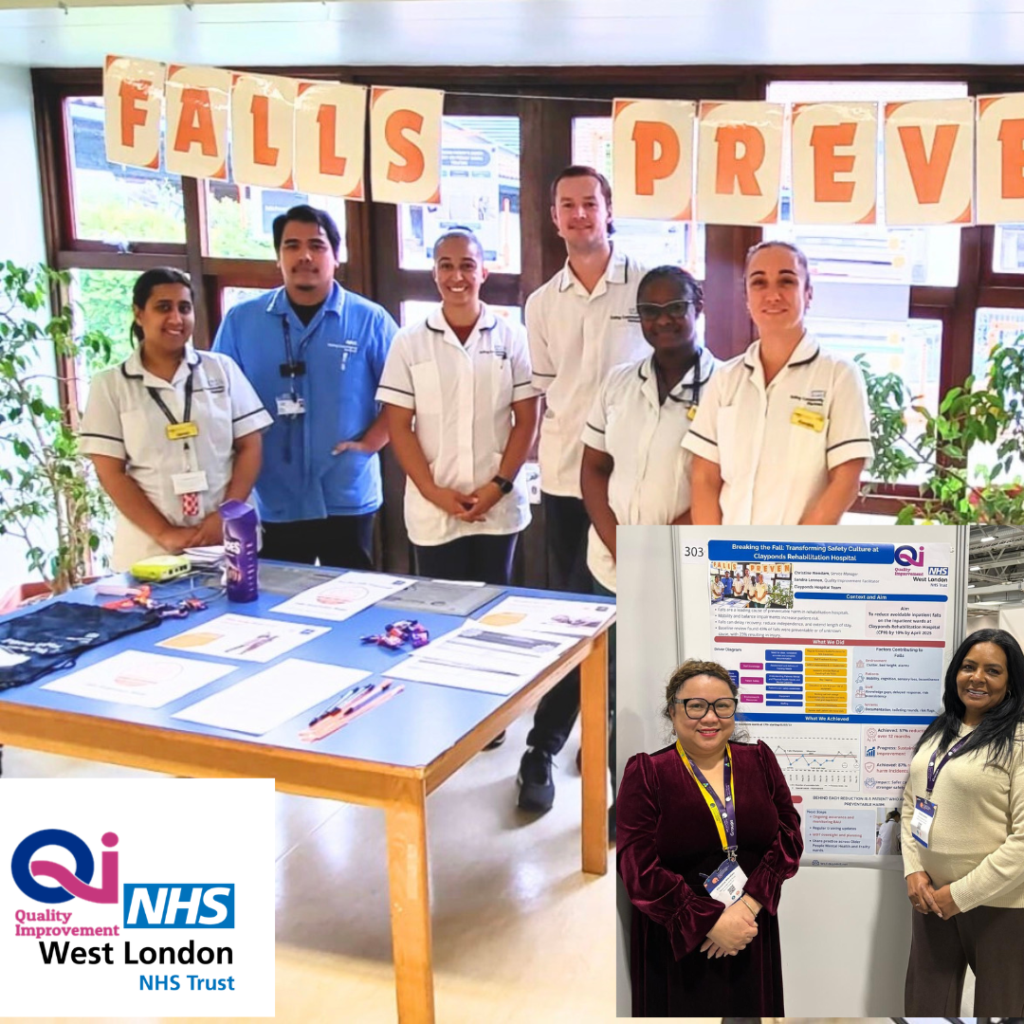
Patient Safety winner team photo

This project was designed to monitor skin cancer Multidisciplinary Team (MDT) outcome compliance using audit data, since failure to implement MDT decisions pose significant patient safety risks. The first cycle demonstrated 74% compliance, which was lower than before the Covid-19 pandemic; so multiple interventions were introduced. A re-audit, six months later, demonstrated improved compliance with MDT outcomes up to 92%.

Breaking the Fall was developed to reduce harm from inpatient falls, since variation in practice and limited reliability of preventative interventions were a significant patient safety concern. By taking a robust, data-driven improvement approach using clinical audit principles and quality improvement methodology, the team delivered safer care through system redesign, staff engagement, and continuous learning. 

Who are the other winners? 

This award is one of five main, and two additional commendation, categories in this year’s Excellence in Clinical Audit Awards. The winners are announced at a series of daily online events from 22-26 June 2026, which are run alongside a series of themed webinars, aligned to the award categories.  

Register NOW: Find out more about, and register for, HQIP’s free online events, to find out about all the winners of the Excellence in Clinical Audit Awards and hear more about the Clinical Audit Awareness Week topics: 

  • Friday 26 June, 10am-12pmData-Informed Improvement (morning webinar) REGISTER HERE
  • Friday 26 June, 1-3pmData-Informed Improvement (afternoon webinar) – with Evidence into Practice award announcement REGISTER HERE. 

All award winners announced so far can be found here: Excellence in Clinical Audit Awards.


Clinical Audit Awareness Week 2026 

A week-long national campaign that aims to improve and save lives by promoting and celebrating the critical role of clinical audit and data-driven healthcare improvement. Join in the fun by sharing online, using #CAAW26! 

Find out more: Clinical Audit Awareness Week 2026 

Nottingham maternity report published, featuring audit data

24 Jun 2026

The Ockenden independent report into maternity services at Nottingham University Hospitals NHS Trust has been published today. The biggest maternity inquiry of its kind, the report investigates the quality of care relating to newborn, infant and maternal harm at the Trust; and presents findings, conclusions and essential actions.

The report draws on findings from multiple HQIP-commissioned national clinical audits and outcome reviews, highlighting the importance of these programmes:

MBRRACE-UK (Maternal, Newborn and Infant Clinical Outcome Review)

Mothers and Babies: Reducing Risk through Audits and Confidential Enquiries across the UK (known as MBRRACE-UK) is mentioned several times, including:

“Mothers and Babies: Reducing Risk through Audits and Confidential Enquiries across the UK (MBRRACE-UK) highlighted that inadequate care during the latent phase of labour is a significant issue contributing to adverse outcomes.” (page 154)

“The MBRRACE-UK perinatal surveillance programme has provided comparison of perinatal and neonatal mortality rates across hospitals since 2013, using stabilised and adjusted rates that account for maternal age, socio-economic deprivation, baby’s sex and ethnicity, multiplicity and gestational age at birth.” (page 188) The 2026 report can be found here: Perinatal Mortality Surveillance report  – HQIP

National Maternity and Perinatal Audit (NMPA)

The National Maternity and Perinatal Audit (NMPA) is utilised for data on maternal critical care:

“Research suggests that for every maternal death, 70–90 women experience severe morbidity, and approximately 2.4 per 1,000 births result in a critical care admission (The National Maternity and Perinatal Audit Maternity Admissions study into intensive care in England, Wales and Scotland 2019).” (page 180) This report can be found here: NMPA Intensive Care Report – HQIP

National Neonatal Audit Programme (NNAP)

The National Neonatal Audit Programme (NNAP), referred to as the National Neonatal Audit Project in the report, is also mentioned:

“NNAP collects data from all neonatal units in England, Scotland and Wales on agreed quality improvement measures and enables benchmarking against other units. All available NNAP data for the period 2012 to 2025 was reviewed.” (page 188)

The report goes on to state that “All neonatal units must use national neonatal audit programme (NNAP) (RCPCH 2026) outcomes and GIRFT (NHSE 2026) reviews to focus quality improvement work and drive improvements in those areas identified as negative outliers with an emphasis on close to real time quality surveillance alongside the use of audit data” as part of its Immediate and Essential Actions to Improve Care and Safety in Maternity Services Across England (page 331)

Once again, this underlines the importance of data, not only in understanding what is happening, but also in driving improvement that has a meaningful impact on the lives of patients and their families.

The Ockenden Review worked with more than 2,500 families, and over 800 current and former staff; we wish to offer our condolences to everyone involved.

More data and resources from HQIP relating to maternity care

gov.uk logo maternity

CAAW26 Innovation award winners announced

24 Jun 2026

We are delighted to share that the winners of the Innovation category of the Excellence in Clinical Audit Awards 2026, which are part of Clinical Audit Awareness Week, have been announced!  

This award recognises clinical audits and evidence-informed improvement projects that use healthcare data in new or creative ways to improve care. This may include novel uses of data, digital tools, technology, analytics, or artificial intelligence. Many congratulations to:  

This project involved the creation of a Reproducible Analytical Pipeline for Rapid, Sustained and Statistically-Significant Improvement in MRSA Admission Screening Compliance, using open-source software. It integrated electronic patient record and laboratory data, to identify screening-eligible inpatients and determine compliance status, enabling targeted interventions where they were needed most.

Transforming End of Life Care: A Champion-Led Quality Improvement Approach was designed to address limited specialist capacity, using audit results. With multiple interventions and a monthly dashboard to track progress and sustain improvement, this innovative project used co-produced stories to explain why care mattered, helping to shift learning from passive compliance to reflective practice. The result was measurable improvements in end-of-life care and staff confidence, and increased positive feedback from bereaved families. 

Who are the other winners? 

This award is one of five main, and two additional commendation, categories in this year’s Excellence in Clinical Audit Awards. The winners are announced at a series of daily online events from 22-26 June 2026, which are run alongside a series of themed webinars, aligned to the award categories.  

Register NOW: Find out more about, and register for, HQIP’s free online events, to find out about all the winners of the Excellence in Clinical Audit Awards and hear more about the Clinical Audit Awareness Week topics: 

  • Thursday 25 June, 10.30am-12pmPatient Safety REGISTER HERE
  • Thursday 25 June, 12.45-1.30pm: Lunchtime Sharing Session – with Patient Safety award announcement REGISTER HERE
  • Friday 26 June, 10am-12pmData-Informed Improvement (morning webinar) REGISTER HERE
  • Friday 26 June, 1-3pmData-Informed Improvement (afternoon webinar) – with Evidence into Practice award announcement REGISTER HERE. 

All award winners announced so far can be found here: Excellence in Clinical Audit Awards.


Clinical Audit Awareness Week 2026 

A week-long national campaign that aims to improve and save lives by promoting and celebrating the critical role of clinical audit and data-driven healthcare improvement. Join in the fun by sharing online, using #CAAW26! 

Find out more: Clinical Audit Awareness Week 2026 

CAAW26 Equity and Patient Involvement award winners announced

23 Jun 2026

We are delighted to share that the winners of the Equity and Patient Involvement category of the Excellence in Clinical Audit Awards 2026, which are part of Clinical Audit Awareness Week, have been announced!  

This award recognises This award recognises clinical audits and evidence-informed improvement projects that put patients at the centre of care, by effectively engaging them, carers and communities, and/or helping to address healthcare inequalities. Many congratulations to:  

CAMHS Link Worker Team - Equity & patient involvement & communication commendation winner

Reaching the Unreached: Transforming Child Mental Health Access in Diverse Communities is a data-informed improvement approach to building trust, awareness, and culturally responsive engagement. It combines clinical audit principles, community insight, and co-production to address inequities in access to mental health services; and saw referrals from underrepresented communities increase by 30% overall, with peaks reaching 84% above baseline.

NPDA-logo

The NPDA’s Youth Voice Communications Project was developed to improve how national audit findings are communicated to children and young people living with diabetes. It demonstrates how patient involvement can strengthen the impact of audits by ensuring that findings are not only reported to services, but also communicated in ways that are meaningful and empowering for the people whose care they reflect. 

Dr Hemavathy Palanyiaya & Danielle Ashley

From Fragmentation to Integration is a multi-component quality improvement programme that addresses health inequalities for young people with complex physical and learning disabilities who are transitioning to adult services. By delivering safer, more coordinated and equitable transitions, it improves lifelong health trajectories. Participants recorded improved preparedness for adulthood (97%), high satisfaction (100%), and stronger engagement with primary care overall, with estimated savings exceeding £500k annually.

My Voice Matters is a multi-agency quality improvement initiative addressing a critical inequity in safeguarding, namely children’s inability to fully participate in child protection medical assessments due to reliance on verbal communication.  With a co-produced toolkit, this intervention enables children to tell, draw or show their experiences using images, symbols and choice-led interaction; delivering measurable improvements in both patient experience and safeguarding outcomes.

Who are the other winners? 

This award is one of five main, and two additional commendation, categories in this year’s Excellence in Clinical Audit Awards. The winners are announced at a series of daily online events from 22-26 June 2026, which are run alongside a series of themed webinars, aligned to the award categories.  

Register NOW: Find out more about, and register for, HQIP’s free online events, to find out about all the winners of the Excellence in Clinical Audit Awards and hear more about the Clinical Audit Awareness Week topics: 

  • Tuesday 23 June, 2-3pmPatient Involvement and Care Equity: Maternity and Healthcare Inequalities (afternoon webinar) REGISTER HERE
  • Wednesday 24 June, 10am-12pmShaping the Future Together – featuring Sir James Mackey, Chief Executive, NHS England REGISTER HERE
  • Wednesday 24 June, 12.45-1.30pm: Lunchtime Sharing Session – with Innovation award announcement REGISTER HERE
  • Thursday 25 June, 10.30am-12pmPatient Safety REGISTER HERE
  • Thursday 25 June, 12.45-1.30pm: Lunchtime Sharing Session – with Patient Safety award announcement REGISTER HERE
  • Friday 26 June, 10am-12pmData-Informed Improvement (morning webinar) REGISTER HERE
  • Friday 26 June, 1-3pmData-Informed Improvement (afternoon webinar) – with Evidence into Practice award announcement REGISTER HERE. 

All award winners announced so far can be found here: Excellence in Clinical Audit Awards.


Clinical Audit Awareness Week 2026 

A week-long national campaign that aims to improve and save lives by promoting and celebrating the critical role of clinical audit and data-driven healthcare improvement. Join in the fun by sharing online, using #CAAW26! 

Find out more: Clinical Audit Awareness Week 2026 

Position statement: Audit & QI in postgraduate training

22 Jun 2026

HQIP has shared a position statement on resetting audit and quality improvement in UK postgraduate medical training and specialty selection.

This statement sets out HQIP’s recommended approach to how clinical audit and quality improvement should be taught, supported, assessed, and rewarded across UK postgraduate medical training. It is designed to be endorsed by the Medical Royal Colleges and used to influence postgraduate curricula, workplace learning, and specialty selection frameworks.

HQIP logo

CAAW26 Strategic Impact award winners announced

22 Jun 2026

We are delighted to share that the winners of the Strategic Impact category of the Excellence in Clinical Audit Awards 2026, which are part of Clinical Audit Awareness Week, have been announced!  

This award recognises clinical audits and evidence-informed improvement projects that use healthcare data to support the delivery of national or strategic priorities, leading to a sustainable healthcare service that ensures resources are used where they benefit patients most. Many congratulations to:  

The Pathway to Equity Project (PEP) is an award-winning improvement initiative that uses a systems thinking approach to address hospital appointment non-attendance (DNA) among young people aged 16 to 24; an issue resulting in losses of millions of pounds. Using data and machine learning to identify key predictors of DNA, this project offers a scalable model for equitable, community-focused care – so offers an innovative, yet simple, way to support the Core20PLUS5 strategic aims.

Thrombolysis in Acute Stroke (TASC) is a national, data-driven improvement programme designed to improve the safe and timely delivery of thrombolysis for acute stroke patients. Quantitative data was complemented by qualitative evidence and a range of quality improvement initiatives, to demonstrate clear and sustained improvement (thrombolysis rates improved nationally from 10.7% to 14.9% for the first time in 10 years) – and so directly supports the NHS Long Term Plan’s ambition to improve outcomes for its six named conditions. 

This project (Service Redesign and Capacity Improvement Through Nurse Practitioner Role Expansion in the Prostate Biopsy Pathway) uses audit to address critical delays between clinic review and LATP biopsy, and improve outcomes for prostate cancer patients. The result was an increase in clinic capacity by 33.3% and biopsy capacity by 37.5% without requiring additional consultant sessions or theatre lists; maximising the use of limited resources and supporting both the National Cancer Plan and the 10 Year Health Plan.

Who are the other winners? 

This award is one of five main, and two additional commendation, categories in this year’s Excellence in Clinical Audit Awards. The winners are announced at a series of daily online events from 22-26 June 2026, which are run alongside a series of themed webinars, aligned to the award categories.  

Register NOW: Find out more about, and register for, HQIP’s free online events, to find out about all the winners of the Excellence in Clinical Audit Awards and hear more about the Clinical Audit Awareness Week topics: 

  • Tuesday 23 June, 10.30-11.30amPatient Involvement and Care Equity (morning webinar) REGISTER HERE
  • Tuesday 23 June, 12.15-1pmLunchtime Sharing Session – with Equity and Patient Involvement award announcement REGISTER HERE
  • Tuesday 23 June, 2-3pmPatient Involvement and Care Equity: Maternity and Healthcare Inequalities (afternoon webinar) REGISTER HERE
  • Wednesday 24 June, 10am-12pmShaping the Future Together – featuring Sir James Mackey, Chief Executive, NHS England REGISTER HERE
  • Wednesday 24 June, 12.45-1.30pm: Lunchtime Sharing Session – with Innovation award announcement REGISTER HERE
  • Thursday 25 June, 10.30am-12pmPatient Safety REGISTER HERE
  • Thursday 25 June, 12.45-1.30pm: Lunchtime Sharing Session – with Patient Safety award announcement REGISTER HERE
  • Friday 26 June, 10am-12pmData-Informed Improvement (morning webinar) REGISTER HERE
  • Friday 26 June, 1-3pmData-Informed Improvement (afternoon webinar) – with Evidence into Practice award announcement REGISTER HERE. 

All award winners announced so far can be found here: Excellence in Clinical Audit Awards.


Clinical Audit Awareness Week 2026 

A week-long national campaign that aims to improve and save lives by promoting and celebrating the critical role of clinical audit and data-driven healthcare improvement. Join in the fun by sharing online, using #CAAW26! 

Find out more: Clinical Audit Awareness Week 2026 

Clinical Audit Awareness Week 2026 is here!

22 Jun 2026

The wait is over; we are celebrating the critical role of clinical audit and data-driven healthcare improvement, with Clinical Audit Awareness Week (22-26 June 2026).

Across five themed days, this week-long campaign explores how insight becomes action, showcasing practical examples, innovation, and collaboration to support improvement across healthcare.

With a packed agenda, it includes thought-provoking webinars and lunchtime events announcing the Excellence in Clinical Audit Awards winners.

All you need to know can be found using the links below:

CAAW website news post

Culture Follows Structure

19 Jun 2026

Structural change must come before cultural change in patient safety.

Professor Ted Baker, Chair of the Health Services Safety Investigations Body (HSSIB) and the Independent Advisory Group for the HQIP-hosted Medical & Surgical Clinical Outcome Review Programme, is a key speaker during Clinical Audit Awareness Week 2026; featuring in the Data-Informed Improvement: From Insight to Impact morning webinar on Friday 26th June 2026. In this article, he explains more about his presentation, and the lessons that can be learned from regulatory and safety bodies in using audit data for improvement.

The exhortation problem 

Read the recommendations of any major patient safety inquiry of the past thirty years and you will find, somewhere near the end, a call for cultural change. Each was followed by initiatives, frameworks, leadership programmes and organisational pledges to improve. And in each case, the same cultural failures have recurred, sometimes within the same organisations. 

This is not because those leading the initiatives were wrong or lacking in commitment. It is because culture cannot be changed by telling people to change. Culture is an emergent property of the structural conditions in which people work. Change those conditions and culture tends to follow. Leave them intact and culture reverts, regardless of how many training days, values statements or staff engagement programmes are deployed. Healthcare has spent the better part of three decades trying to change culture by exhortation while leaving the structural conditions that produce bad culture largely intact. The result is a system that generates the same inquiries, produces the same recommendations, and regularly experiences the same failures. 

Structural conditions 

By structural conditions, I mean something specific, the formal systems, accountabilities, processes and incentives within which clinical work takes place, who is responsible for what, how risks are identified and managed, how learning is protected and shared, and what behaviours the organisation rewards or sanctions in practice rather than in theory. 

During my time as Chief Inspector of Hospitals at the CQC, I visited hundreds of NHS organisations. The ones with the strongest safety cultures were not the ones with the most impressive values statements. They were the ones where accountability was clear, where risk was actively managed rather than defensively reported, where leaders asked hard questions rather than sought reassurance, and where staff genuinely believed that raising a concern would make a difference. Those are structural features, the conditions from which a genuine learning culture can grow. 

Where those conditions are absent, the culture of silence and self-protection is not a failure of values. It is a rational adaptation to the environment. Staff are not telling us something about their character when they stay quiet. They are telling us something about the system they are working in. 

What other industries learned 

Aviation, nuclear power and rail achieved transformative reductions in harm by building safety management into the formal structure of how organisations operate, and making those structures a regulatory requirement. A safety management system has four elements. Safety policy establishes clear organisational intent with named accountabilities at the most senior level. Risk management proactively identifies hazards and implements controls before harm occurs. Safety assurance checks that those controls are working honestly, not to produce comforting dashboards but to surface genuine risk. Safety promotion creates the culture of learning, honest reporting and continuous improvement. 

You cannot promote a culture of learning if risk management is not honestly identifying what needs to be learned from. You cannot promote a culture of candour if safety policy is vague about who is responsible when things go wrong. In aviation, a safety management system is a regulatory requirement without which an airline cannot operate.  

The healthcare gap 

Healthcare lacks an equivalent mandate, and the consequences are specific and observable. Accountability is unclear. When harm occurs, the system struggles to identify whether it was a policy failure, a risk management failure, an assurance failure or a cultural failure, because these functions are not clearly defined or owned. The result is the familiar pattern, inquiry, recommendations, partial implementation, and recurrence. Each inquiry attributes the failure, at least in part, to culture. None can fully explain why the structural conditions that produce that culture persist. 

Quality improvement and safety management are treated as separate activities. In many NHS organisations, QI sits in one directorate, clinical governance in another, risk management in a third. The feedback that would allow learning from one function to inform another is weak or absent. National audit findings sit in HQIP programme reports. Investigation findings sit in HSSIB reports. Incident data sits in local risk management systems. Nobody is consistently joining the dots. 

The implications for clinical audit are clear. Audit is, in SMS terms, a safety assurance function, but assurance in its fullest sense, not the production of evidence that things are as they should be, but the active search for evidence that they are not. A compliance-driven reading of audit asks whether care meets a standard. A learning-driven reading asks what the data reveals about where risk lies and where practice needs to change. Audit findings are only useful if organisations approach them in that second spirit, and if those findings flow into a risk management process with the accountability to act on them.  

Where those connections are absent, audit will often produce insight without impact. The data improves; the practice does not. 

Safety promotion is being asked to do the work the other three SMS elements should be doing. Staff are told to speak up, but risk management systems do not consistently act on what they say. Duty of candour is mandated, but the protected learning environments that make candour possible are not structurally secured. Freedom to Speak Up Guardians are appointed, but the conditions that determine whether speaking up is genuinely safe remain unaddressed. 

Transparency of outcomes has been pursued vigorously for twenty-five years, and with genuine results. But transparency without safe space produces disclosure without understanding. When organisations believe that poor data may trigger regulatory consequence, the rational response is to manage the data rather than engage honestly with what it reveals. Outlier signals are explained away. Accounts of what happened become performances designed to satisfy scrutiny rather than honest descriptions designed to generate learning. The structural protections that make honest disclosure possible, including the statutory safe space under which HSSIB investigations operate, are not a soft cultural indulgence. They are a precondition for the truthful accounting that a functioning SMS depends on. 

What a safety management system in healthcare would look like 

HSSIB has recommended a national initiative to develop safety management systems in healthcare as a regulatory requirement. The Dash review recommended developing a quality and safety management system. These commitments need to be made concrete. A healthcare SMS does not require inventing new concepts, the four elements map directly onto activities NHS organisations are already expected to perform. What is needed is coherent connection between those activities, with clear accountability for each element. 

Safety policy means named board-level accountability for safety and policies specifying what will happen when responsibilities are not met. Not a framework to aspire to, but an expectation to be held to. 

Risk management means proactive identification of safety risks, drawing on all available intelligence, audit data, investigation findings, incident reports, staff concerns, near-miss analysis. This is where national audit programmes belong, not just as benchmarking exercises, but as a source of risk intelligence. An organisation that receives an alert-level outlier notification should connect it to its risk register as part of its SMS. 

Safety assurance means genuine scrutiny that surfaces risk, not comfort-seeking assurance for boards and regulators. The alert and alarm distinction in audit outlier analysis belongs here. Alert-level signals belong in a protected learning space. local inquiry, honest discussion, improvement action, no immediate external sanction. Alarm-level signals belong in the formal accountability space. Using the same mechanism for both purposes destroys the learning function. As Onora O’Neill argued in her work on intelligent accountability, systems built on disclosure requirements rather than genuine communication produce organisations that appear fully accountable without being genuinely understood. Audit data is only as useful as the culture in which it is received, and that culture depends on whether organisations believe the purpose is to support learning or to trigger sanction. 

Safety promotion is the cultural element the other three make possible. Protected learning environments and statutory safe space, of the kind HSSIB operates, allow honest accounts of failure to be given without fear, not merely for staff wellbeing but for the integrity of the information the system depends on. Transparency of outcomes is necessary and valuable; but without a genuine learning space it produces reassurance rather than understanding, disclosure rather than insight.  

Co-development of recommendations with intended recipients ensures learning produces actionable change rather than compliance obligations. A national recommendations repository, connecting audit, investigation and incident analysis, ensures learning is shared across the system rather than siloed. 

An SMS is not a checklist of separate activities. It is a system in which each element supports the others. Remove any element, or leave the connections weak, and the system defaults to performance rather than learning. 

What is needed 

The NHS’s growing commitment to quality and safety management systems is welcome. The question is whether it will be backed by the structural mandate that makes it real, or whether it will become another framework sitting alongside the many others that already exist, adopted voluntarily by some organisations and ignored by others. 

Real structural change means defined SMS elements mandated across the NHS with clear board-level accountability for each; CQC’s regulatory framework mapped to those elements so that external assurance and internal safety management reinforce rather than duplicate each other; and protected learning environments, backed by statute where necessary, so that the honest accounts on which genuine learning depends can actually be given. 

What has been absent is the will to mandate the structure rather than merely encourage the culture. Culture needs a helping hand. The hand it needs is structural. The moment to build that structure, with a national plan committed to it and a regulatory framework that could embed it, is now. 

Clinical Audit Awareness week, hosted by the Healthcare Quality Improvement Partnership, HQIP, runs from 22-26 June 2026 this year – FIND OUT MORE: www.hqip.org.uk/caaw26 

Further reading 

Health Services Safety Investigations Body. Safety Management. HSSIB; 2025. 

Dash P. Review of patient safety across the health and care landscape. Department of Health and Social Care; 2025. 

O’Neill O. Accountability, Trust and Informed Consent in Medical Practice and Research’. Clinical Medicine 4.3 (2004):269–276

Patient safety article baker

HQIP programme mentioned in King’s Birthday Honours acceptance

17 Jun 2026

We are pleased to share that Dr Inderpal Singh, representative for the Welsh Government for the HQIP-commissioned falls and fragility audit FFFAP, has been awarded Officer of the Order of the British Empire (OBE) for services to osteoporosis care in Wales, in the 2026 King’s Birthday Honours List.

Not only were we delighted for Dr Singh OBE for this much-deserved award; we were also thrilled to see that he recognised the Falls and Fragility Fracture Audit Programme (FFFAP) in his acceptance. Saying that the audit was “instrumental in shaping improvements in osteoporosis care in Wales”, he underlined the value and importance of national clinical audit in improving care.

In his acceptance, Dr Singh OBE said:

Dr Inderpal Singh OBE is a Consultant Geriatrician at Aneurin Bevan University Health Board, Wales and Honorary Senior Lecturer at Cardiff University. He is also National Clinical Lead, Bone Health Wales, NHS Wales Performance and Improvement.

More information can be found in an update published by the Royal College of Physicians (RCP).

More information

I Singh

Respiratory care improving in key areas – but progress remains uneven, new report shows

11 Jun 2026

A new report out today from the HQIP-commissioned National Respiratory Audit Programme (NRAP), which is hosted by the Royal College of Physicians (RCP), highlights improvements in chronic obstructive pulmonary disease (COPD) and pulmonary rehabilitation care, but warns of stalled progress in adult asthma and delays in treatment following acute admission.

Key findings include:

  • 35.9% of COPD admissions are from the most deprived communities.
  • 37% of patients hospitalised with COPD still smoke.
  • Only 38% of children receive the recommended treatment of steroids within one hour of admission following a severe or life-threatening asthma attack.
  • The average wait for people with stable COPD to start pulmonary rehabilitation is 100 days.
  • Only 38.8% of hospitals meet recommended asthma nurse staffing levels.

Room to breathe: a longitudinal review of respiratory data finds that care for people with respiratory conditions is improving in some key areas, but progress is inconsistent across services. The findings draw on data from around 100,000 hospital admissions and nearly 48,000 pulmonary rehabilitation assessments across England and Wales.

The report shows encouraging signs of improvement in several core aspects of care, particularly for people with COPD, children and young people with asthma, and those referred for pulmonary rehabilitation. These include safer oxygen prescribing, better access to tobacco dependence support and improvements in discharge processes.

However, there are ongoing challenges in delivering consistent, high-quality care at scale, and variation in care persists. Tobacco dependence continues to be a major driver of poor outcomes, with around 37% of hospitalised COPD patients still smoking – a figure that has remained largely unchanged over the past decade (although there has been important improvement in people who currently smoke being offered tobacco dependency advice, in line with NICE guidance). In addition, access to pulmonary rehabilitation is improving, but with room for improvement.

As such, the report calls for renewed focus on implementing proven interventions, including discharge bundles, early treatment in emergency care and system-wide approaches to tobacco dependency, alongside collaboration between specialties to improve care in the crucial first hours of hospital admission.

Professor Tom Wilkinson, HQIP Medical Director and former NRAP senior clinical lead, explains: “What this analysis makes clear is that progress in respiratory care is possible, but it is not happening at the pace or scale needed. Variation remains a major challenge, and the priority now must be consistent implementation of proven interventions. If we are serious about reducing avoidable admissions and improving patient experience, we must focus on embedding these approaches across the whole system.”

This report highlights the value of national clinical audit in improving healthcare and, ultimately improving and saving lives. The data and outputs from HQIP’s national programmes are an invaluable, publicly available resource that shine a light on where improvements will have the maximum impact; supporting healthcare providers to implement changes that will improve care and outcomes for everyone.

Chris Gush, HQIP’s CEO, expands on this: “National clinical audits like NRAP measure health services, comparing the care delivered against standards. Covering a wide range of common conditions, they provide robust, clinically-validated data, and shine a light on what is working well and what is not. The NHS cannot improve what it cannot see clearly. Audit gives clinicians, providers and systems the evidence they need to focus limited capacity on the interventions that work, reduce avoidable pressure, improve consistency, and deliver greater efficiency across services.”

Further information

NRAP 2026 report news

Mapping dementia care: from variation to evidence-informed improvement

11 Jun 2026

The number of people living with dementia in the UK is estimated to be almost 1 million, with projections indicating that it could rise to 1.4 million by 2040*. For people living with dementia, the journey through health and care services is rarely straightforward. From first concerns about memory, through diagnosis, to care in hospital and beyond, multiple services are involved, and the way they connect can vary significantly. 

The latest service mapping work from the National Audit of Dementia (NAD) – which is run by the Royal College of Psychiatrists and managed by HQIP on behalf of NHS England and others- offers an important new perspective on this pathway. By examining how dementia diagnostic services are organised and delivered across England and Wales, it highlights not just where variation exists, but where improvement is most needed.  

What service mapping reveals 

The NAD service mapping exercise set out to understand how dementia diagnostic services are structured across the system, capturing how patients move between primary care, memory services, specialist assessment and follow‑up support. What emerges is a complex and highly variable landscape. The route to diagnosis is not consistent and the availability of investigations, treatment and support also varies between services. This variation is not simply organisational detail. It has real consequences for patients and carers: 

  • How quickly someone receives a diagnosis
  • What support they receive afterwards
  • Whether their care feels joined up or fragmented.

Mapping these pathways is therefore an essential first step in improvement. It allows the system to move from anecdote to evidence, identifying where differences are unwarranted. Dr Charlotte Deasy, Clinical Lead at NAD, expands on the value of audit in improving care further: “By measuring what is happening, we can advocate for improvement through service level, system-wide and policy changes.”

These NAD findings are reinforced by earlier work on Memory Assessment Services (MAS). The MAS spotlight audit showed that: 

  • Waiting times for diagnosis have increased
  • Access to assessment, imaging and post‑diagnostic support varies widely between services
  • Patients in more deprived areas can experience longer waits and reduced access.

Variation on this scale means that a person’s experience of dementia care can depend significantly on where they live. The service mapping work adds a new dimension to this understanding. It shows not only that variation exists, but how it is shaped by differences in service design, commissioning and data flows across the pathway. 

A wider system perspective: findings from the CQC 

The challenges identified through NAD data are also reflected in national regulatory insight. The Care Quality Commission (CQC)’s report, published in May 2025, highlights that people living with dementia often face: 

  • Delays in diagnosis and access to support
  • A lack of continuity once diagnosed
  • Variation in how well services understand and meet individual needs
  • Inconsistent communication with carers.

At the same time, further research published by the CQC in March 2026 is clear about what good care looks like. It should be: 

  • Person‑centred and coordinated
  • Shaped by the individual and their carers
  • Delivered by staff with the skills, training and time to respond effectively.

Taken alongside the NAD findings, this presents a picture of a system that understands the goal, but where delivery remains uneven. 

From diagnosis to hospital care: evidence of improvement 

While variation persists, the evidence also shows that improvement is happening. Within hospital settings, NAD continues to demonstrate the impact of sustained measurement and feedback. Between 2023 and 2024: 

  • Pain assessment increased from 92% to 98% of patients
  • Delirium screening increased from 87% to 92%
  • Carer‑reported experience improved, including communication and overall care quality. 

These changes are significant. They reflect improvements in areas that directly affect safety, recovery and patient experience. They also demonstrate the value of audit data not just in identifying problems, but in supporting change over time. 

National clinical audits – the largest programme of which in the UK is run by HQIP – measure care and share insights to improve and save lives. Data and outcomes from these audits help care providers to identify variation, trends and opportunities for improvement in the care and management of a range conditions. This, in turn, empowers clinicians and system leaders to focus resources where they can have the greatest impact. 

In the case of dementia, the impact of this data becomes most visible when it is used locally. At South Warwickshire University NHS Foundation Trust, audit findings led to the creation of a Dementia and Delirium Outreach Team, supporting ward staff to improve care. The results included: 

  • A 20% reduction in length of stay
  • A 10% reduction in discharge to long-term care
  • An estimated 1,608 bed days saved.

These are meaningful outcomes for both patients and the system, demonstrating how evidence can translate into tangible improvements in care and efficiency. 

The role of patient and carer experience 

Across all parts of the pathway, patient and carer experience remains central. Audit findings show improvements in communication and overall care, but also ongoing concerns about involvement, information sharing and consistency of care. This aligns with CQC findings that carers often feel under‑informed or are required to advocate on behalf of their relatives. Ensuring that these voices are heard, and acted upon, is a critical part of improvement. It ensures that changes to services are grounded in what matters most to those using them. 

Phil, a patient with Lewy body dementia, expands on this point: “There needs to be an emphasis on providing tailored services to meet local needs, to avoid a generic model that supposedly ‘fits all’ and, in fact, doesn’t meet the needs of those living with a diagnosis of dementia. This can only be achieved by those who plan and commission services engaging with those of us who live with the disease, so that services are based on people’s actual needs.” 

Audit insight 

Across diagnostic services and hospital care, improvement depends on a cycle of measurement, learning and action. The National Audit of Dementia is central to this cycle, bringing together data, insight and improvement support across the dementia pathway. And there will be further insight to come from the audit, giving the opportunity to use the evidence more systematically, reduce variation and ensure that high‑quality care is not the exception, but the standard. 

For people living with dementia, and for those who care for them, that is not simply a policy ambition. It is a necessity. 

*Source: NHS England 

Further information 

Dementia article

Mental health: Using evidence to improve care

5 May 2026

With one in four adults in England and Wales experiencing a mental health problem every year, and emergency referrals for young people in England rising by over 50% in just 3 years*, mental health is a national concern. The announcement of a national review of mental health services, led by NHS England’s Chair, is a significant and welcome moment for the system. It follows a broader conversation about how the NHS measures, learns from, and improves the care it delivers; one that HQIP has been contributing to directly, ensuring that the data we already have is the cornerstone of building an NHS that is Fit for the Future. Another recent article, Measure, Learn, Improve, sets out more specifically how HQIP-commissioned data and evidence (from the National Clinical Audit and Patient Outcomes Programme, NCAPOP), supports service improvement. Here, I apply that principle to mental health care…

Around one in five adults in England lives with a common mental health problem, and there were 2.8 million referrals to adult community mental health services in 2023/24. Yet compared to major physical health conditions, where large national audits on cancer and cardiovascular disease have generated rich, longitudinal datasets, the mental health evidence base, while growing, remains less comprehensive. Indeed, many working in mental health and the voluntary sectors argue it is an area where high-quality, systematic data collection has historically lagged behind need.

Through the NCAPOP, HQIP commissions and manages national mental health audit and clinical outcome review work on behalf of NHS England and the Welsh Government, with some programmes extending across all four UK nations. These programmes generate important evidence on quality, safety, outcomes and patient experience, and they produce practical, clinically-led recommendations grounded in real-world delivery. They do not cover everything. Areas such as depression, anxiety and community mental health care remain relatively under-served in national audit terms, and harnessing routinely collected data such as the Mental Health Services Data Set has proved technically challenging. But what we do have is substantial, and it matters. The data from these programmes has the power to transform mental health care in an efficient and sustainable way.

It is also worth noting that there are two parallel national reviews underway. Alongside the NHS England mental health review, the Department of Health and Social Care launched its own review in December 2025, covering mental health conditions, ADHD and autism. Both highlight a system that recognises the scale of the current unmet need and the urgency for reform, and both signal an opportunity for audit and outcomes data to shape what comes next.

As these reviews progress, there is a real opportunity to use the existing evidence base to align national priorities, reduce duplication, and focus improvement activity where it will deliver the most meaningful benefit for patients. We do not need to start from scratch. We already have mature national programmes producing evidence on access, safety, outcomes and patient experience. The opportunity is to use that intelligence systematically.

Our data – a rich, national source of evidence

The National Confidential Inquiry into Suicide and Safety in Mental Health (NCISH)

The Mental Health Clinical Outcome Review Programme, known as NCISH, is one of the Clinical Outcome Review Programmes commissioned by HQIP. Run by the University of Manchester, it provides internationally respected evidence on suicide and patient safety, examining suicide and homicide for people who have been in contact with mental health services, as well as sudden and unexplained deaths of psychiatric inpatients. The programme extends across England, Wales, Scotland and Northern Ireland.

Its annual reports and themed analyses provide recommendations at national and local level, directly informing suicide prevention strategy across all four nations. The programme has helped services better understand risks and opportunities for safer care, including through its widely cited ten key elements for safer mental health services.

The National Clinical Audit of Psychosis (NCAP)

The National Clinical Audit of Psychosis aims to ensure that everyone with psychosis receives high-quality, evidence-based care wherever they live. The programme is currently delivered by the Royal College of Psychiatrists, and covers all NHS-funded Early Intervention in Psychosis teams in England and Wales, providing a nationwide benchmark for the treatment and care that people with their first episode of psychosis receive.

Lived experience is central to how we approach that commissioning. Through ongoing engagement with service users and carers, we have heard clearly about delays in access to treatment, staff shortages and the variability of care across the country. Inconsistent care affects people’s ability to build meaningful relationships and find support in times of crisis. HQIP is committed to ensuring the audit’s priorities reflect those experiences, embedded in both the specification and how we monitor the contract. The most recent State of the Nation report was co-produced with clinical and service user advisors, a Service User and Carer Reference Group, and a steering group of over 30 clinicians, commissioners and NHS England staff. It found improvements in performance since the start of the audit in 2018/19 on the majority of the NICE quality standards, and highlighted key areas for improvement.

The National Audit of Eating Disorders (NAED)

Commissioned by HQIP in August 2024, the National Audit of Eating Disorders is a significant new addition to the national clinical audit portfolio. It seeks to drive improvement in the identification and appropriate management of eating disorders, and the quality and consistency of services for children and young people, adults of working age and older adults. A Service Mapping Report published in December 2025 drew on data collected from services across England, and achieved an outstanding 97% participation rate from eligible teams. Patient-level data collection commences in July 2026, with the first State of the Nation report due in July 2027.

The National Child Mortality Database (NCMD)

The National Child Mortality Database, which aims to reduce preventable child mortality, has produced some of the most widely cited work on child suicide in recent years. Its 2021 thematic report on suicide in children and young people identified 108 deaths assessed as highly or moderately likely to be due to suicide in a single year, equating to approximately two child suicides every week in England. Importantly, it also makes a number of important recommendations for suicide prevention. A full follow-up report drawing on cases since that publication is expected in 2027.

The Maternal, Newborn and Infant Clinical Outcome Review Programme (MBRRACE-UK)

The Maternal, Newborn and Infant Clinical Outcome Review, known as MBRRACE-UK, undertakes confidential enquiries into all maternal deaths from mental health-related causes. Mental ill health remains one of the leading causes of maternal death during pregnancy and in the first postnatal year, accounting for around a third of deaths, with substance misuse and other psychiatric causes among the leading factors. In April 2026, the Parliamentary Office of Science and Technology published a report on maternal mental health drawing directly on MBRRACE-UK’s findings, a clear signal that this programme’s evidence is shaping national policy conversations at a national policy level.

The impact of this work

The data and outputs from our national programmes are an invaluable, publicly available resource that shine a light on where improvements will have the maximum impact; supporting healthcare providers to implement changes that will improve not only mental health care but also outcomes and patient experience more widely. Alongside published reports, our impact reports and programme outputs bring together learning from across the system, highlighting where improvement is being made and where further focus is needed. Every project within NCAPOP has been established to address clinical areas where healthcare improvement is required. For mental health care, from suicide prevention and psychosis care to eating disorders and maternal mental health, that body of evidence is growing and becoming ever more important – in spite of the areas where gaps in national audit coverage remain.

What this means for national mental health care

With this robust body of evidence that is trusted by clinicians and patients alike, HQIP stands ready to support both the national mental health reviews and ensuring that clinical audit and outcomes data are central to shaping the next phase of mental health services. The evidence we hold is based on real-world findings; the programmes are active; and the findings are already being used, making a difference to patients’ lives. Trusts and other providers, and ICBs and regional clusters, do not need to wait for the completion of the reviews to act. Existing audit and benchmarking data can support local and national improvement now.

At the same time, HQIP is clear about what audit cannot achieve on its own. Improving mental health services at scale requires investment in data infrastructure, better use of routinely collected data, and a serious commitment to addressing the areas – including anxiety, depression, ADHD and autism – where the national audit evidence base remains insufficient. We call on those running these reviews to take the opportunity to join us in addressing this issue.

Our shared task is to ensure that the evidence generated across the system is used effectively, consistently and at pace to support improvement – and deliver mental health services that meet our growing need; leading to a population that is both healthier and happier than it is currently.

*Mind, May 2026

Further information from HQIP

Mental health article C Gush