
World Patient Safety Day 2026: Using data to deliver safer care
17 Sep 2026

17 September 2026 marks World Patient Safety Day, a global campaign led by the World Health Organisation to raise awareness of patient safety and promote action to reduce avoidable harm in healthcare. This year, the focus is on safe care for non-communicable diseases, highlighting the importance of delivering effective, coordinated, and evidence-based care for people living with long-term conditions.
At HQIP, patient safety is at the heart of everything we do. Through the commissioning and oversight of national clinical audits, clinical outcome review programmes and registries, we help ensure that healthcare teams have access to robust data and evidence that can identify risks, reduce variation, support improvement, and ultimately improve outcomes for patients. As highlighted on our new patient safety insight hub, learning from audits and registries plays an essential role in helping healthcare services identify where harm may occur and take action to build safer systems of care.
Insufficient use is made of the NHS’s data resources to generate insights and support improvement” Review of patient safety across the health and care landscape (July 2025)
Patient Safety resources from HQIP
NEW Article – Spotlight on stroke: From data to safer care
Stroke provides a powerful example of why improving the safety of care for non-communicable diseases matters. Earlier this month, HQIP published From data to safer care: The role of stroke audit in improving quality of care, in partnership with Patient Safety Learning, highlighting how the Sentinel Stroke National Audit Programme (SSNAP) uses national audit data to support safer, more effective stroke care.
Stroke remains one of the leading causes of death and disability, with more than 92,000 people admitted to hospital with stroke between April 2024 and March 2025. Ensuring patients receive rapid assessment, timely treatment, and effective rehabilitation is critical, with delays often having significant consequences for outcomes and recovery.
SSNAP demonstrates how national clinical audit can help address these challenges. By measuring care across the entire stroke pathway and benchmarking performance against evidence-based standards, the programme provides actionable insight that supports quality improvement and patient safety. Recent findings show improvements in access to timely brain imaging and increases in the use of life-saving treatments such as thrombolysis and thrombectomy, illustrating how data can help drive meaningful improvements in care.
Clinical Audit Awareness Week: Patient Safety webinar recording and case study
During Clinical Audit Awareness Week 2026, patient safety was one of the campaign’s five featured themes – including a webinar that brought together expert speakers from across the healthcare system to explore how data can support safer care. The webinar recording and presentations remain available, providing a valuable opportunity to revisit the discussions and share learning more widely.
The 2026 campaign week also showcased numerous examples of how audit can improve patient safety in practice via the Excellence in Clinical Audit Awards. For example, the runner-up of the Evidence into Practice category explored the impact of improved clozapine monitoring in medium secure services and demonstrated how audit findings can be translated into practical improvements that strengthen monitoring processes and support safer prescribing, reducing risk for patients receiving clozapine treatment.
A dedicated resource for patient safety
HQIP has recently launched a new patient safety section of our website, bringing together resources, articles, case studies, and examples from across our programmes in one easily accessible place.
Further resources from HQIP
- Articles on using healthcare data to improve care
- Reports and infographics from HQIP’s programmes
- Benchmarking tools
- Guidance
- Case studies
Other news
HQIP launches procurement process for new national sepsis audit
A new National Infection and Sepsis Audit in Acute Care will benchmark care, identify variation...

World Suicide Prevention Day: Working together to save lives
On World Suicide Prevention Day 2026, we take time to acknowledge those who have died,...
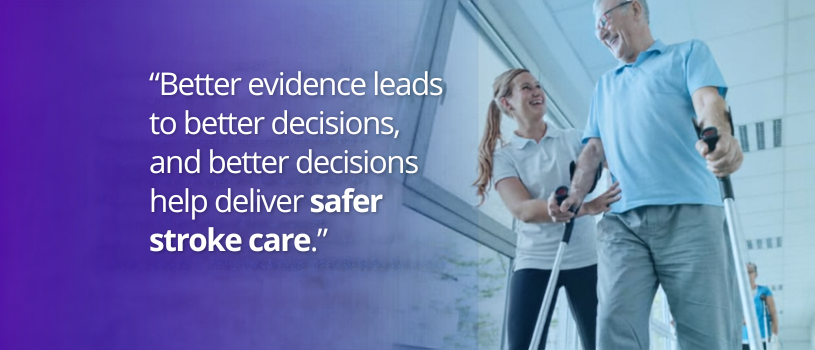
From data to safer care: The role of stroke audit in improving quality of care
Published in partnership with Patient Safety Learning. Ensuring patients receive the right care at the...