
World Diabetes Day 2026: How data can transform diabetes care and outcomes
12 Nov 2026

For World Diabetes Day, 14 November 2026, we highlight how national clinical audit supports the improvement of care and outcomes for children and young people with diabetes.
World Diabetes Day raises awareness of diabetes, and the importance of earlier diagnosis as well as access to comprehensive care. Under the theme “Early action on diabetes”, it also provides an opportunity to look at the critical importance of national clinical audit data in improving care and transforming the lives of children living with diabetes here in the UK.
The HQIP-commissioned National Paediatric Diabetes Audit (NPDA), which is delivered by the Royal College of Paediatrics and Child Health (RCPCH), assesses the quality of care provided to children and young people (CYP) living with diabetes across England, Wales and Jersey. It provides clinical teams, commissioners and national bodies with robust evidence on what is working well, and changes to care will have maximum impact. By tracking variation in outcomes over time, the audit helps drive improvements in clinical practice and service design for children and young people with diabetes.
Recent paediatric diabetes reports
The NPDA’s latest report, Workforce Spotlight Audit 2024/25, found that services continue to provide comprehensive care despite increasing workforce pressures. However, with a 20% growth in the number of CYP receiving care in England and Wales since 2017/18, its findings highlight a number of challenges covering areas such as workforce levels, funding, safeguarding and psychological support. Conversely, it also found that all Paediatric Diabetes Units (PDUs) provided structured education, and almost all delivered a transition clinic and provided 24/7 out-of-hours support.
The audit’s report on 2024/25 care and outcomes is based on 35,801 CYP with diabetes receiving care from 172 PDUs in England, Wales and Jersey during that period, marking a 29% increase in caseload over the preceding decade. It found issues such as the fact that many young people with diabetes are not receiving all six annual health checks (as recommended by NICE), and that there is persistent variation in care and inequalities, something we explore in our new article below…
Tackling health inequalities
New article: In HQIP’s article, Tackling inequalities in diabetes care for children and young people, we explore how the NPDA is helping care providers to understand – and address – issues such as additional financial pressures on families living with diabetes, and variation in access to diabetes technology.
77% of people living with diabetes say that the rising cost of living is negatively impacting how they manage their condition” Diabetes UK
This article shares how the audit supported a national roll-out of the Poverty Proofing® programme, initially developed by Children North East (CNE), to help health services understand how poverty affects patients’ access, participation and experience of care. The article also explains how the NPDA is supporting improved access to hybrid closed loop (HCL), a technology that can minimise both the burden and the risk of medical emergencies.
The importance of patient voice in ensuring meaningful care
Interview: As part of the NPDA Youth Voice Communications Project, children and young people from across the UK came together to share their experiences and help shape how the audit communicates with young people and families. In another new article on the NPDA’s patient engagement, children and young people from the project share, in their own words, what they learned from taking part and why having a voice in healthcare matters.
Case study: In addition to the above article, we are also pleased to share a new case study about the NPDA’s Youth Voice Communications Project, which was a joint runner-up in the Equity and Patient Involvement category of the 2026 Excellence in Clinical Audit Awards (part of Clinical Audit Awareness Week). This project demonstrates how patient involvement can strengthen the impact of audits by ensuring that findings are not only reported to services, but are also communicated in ways that are meaningful and empowering for the people whose care they reflect.
Why it matters
The evidence generated by the NPDA, and the resultant improvements, matter. It provides the insights needed to support improvements and equity in care and outcomes, enabling services to measure performance, understand variation, and target improvement activity. World Diabetes Day is a timely reminder of the importance of action across the whole diabetes pathway, from prevention and rapid treatment to longer-term care.
Find out more
Diabetes: Find out more about our work to support improvements in diabetes care, through the Diabetes Hub on the HQIP website, which brings together reports, news and resources on this topic.
Paediatrics and child health: Find out more about our work to support improvements in care for children and young people, through the Paediatrics Hub on the HQIP website, which brings together reports, news and resources on this topic.
Also see:
- National Paediatric Diabetes Audit (NPDA)
- NPDA Workforce Spotlight report 2024/25
- Paediatric diabetes report – Care and outcomes 2024/25
- Article: Tackling inequalities in diabetes care for children and young people
- Interview: Our Voice Matters – What We Learned from the NPDA Youth Voice Communication Project
- Case study: Equity and Patient Involvement (NPDA Youth Voice Communication Project, paediatric diabetes)
- All reports from the NPDA
Other news
Tackling inequalities in diabetes care for children and young people
This World Diabetes Day, on 14 November 2026, we share how the National Paediatric Diabetes...
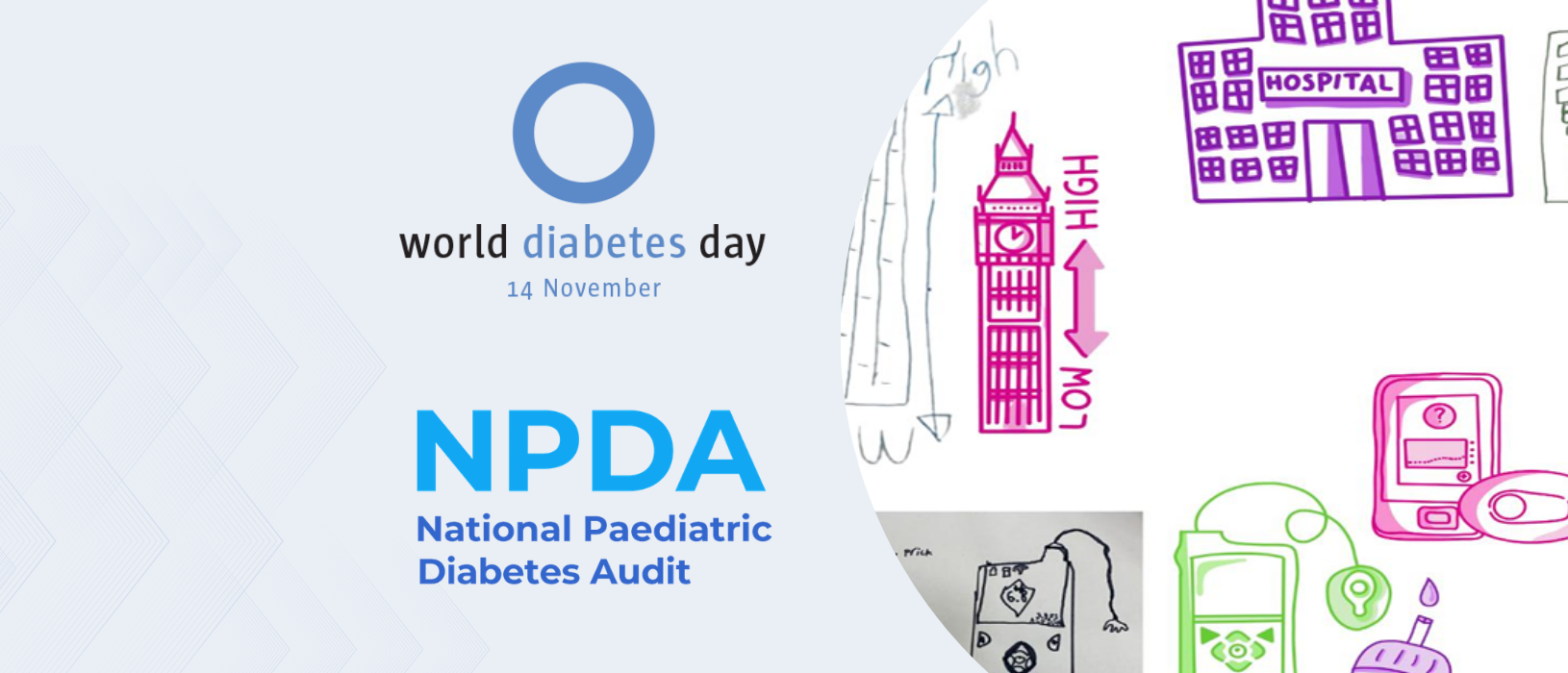
Our Voice Matters: What We Learned from the NPDA Youth Voice Communication Project
The National Paediatric Diabetes Audit (NPDA), commissioned by HQIP, aims to improve the quality of...
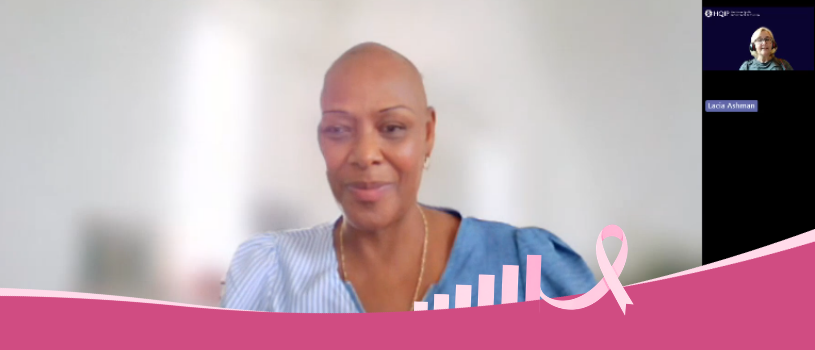
New patient video: My breast cancer story
To mark Breast Cancer Awareness Month, HQIP is sharing the full video interview with patient...