Our Voice Matters: What We Learned from the NPDA Youth Voice Communication Project
12 Nov 2026

The National Paediatric Diabetes Audit (NPDA), commissioned by HQIP, aims to improve the quality of care for children and young people living with diabetes. As part of the NPDA Youth Communications Project, children and young people from across the UK came together to share their experiences and help shape how the audit communicates with young people and families. Here, NPDA children and young people from the project share, in their own words, what they learned from taking part and why having a voice in healthcare matters:
“When people think about healthcare, they often imagine doctors, nurses and researchers making all the important decisions. But what about the children and young people who actually live with the condition every day?
We are a group of children and young people living with diabetes and, through the NPDA Youth Voice Communication Project, we had the chance to share our experiences, speak up about what matters to us, and help make diabetes health care better for other children and young people.
What is the NPDA?
The NPDA looks at how children and young people living with diabetes are cared for across England, Wales, Jersey and the Isle of Man. Every year, it collects information from diabetes clinics and checks whether young people are getting the care and support they need. The main goal is to make diabetes care better and make sure everyone gets the best possible support, no matter where they live.
The NPDA doesn’t just look at numbers. It also wants to hear from children and young people because we are the ones living with diabetes every day.
What Was the Youth Voice Communication Project?
The NPDA funded a six-month project that brought together children and young people from across all four nations.
The aim was simple: help the NPDA find better ways to explain what it does and why it matters to children, young people and families.
We worked together in online and face-to-face workshops to share ideas and create resources that young people would actually want to use.
The project helped create:
- New guides and tips for diabetes teams
- Images and resources for children and young people
- Easy-to-understand information about the NPDA
- New ways to raise awareness about diabetes care and the audit
Most importantly, it gave us the opportunity to use our voices.
Why Was It Important?
Before this project, many of us had never heard of the NPDA.
We didn’t know there were opportunities where young people could help improve healthcare. We didn’t realise our opinions could influence the way information is shared or how services develop in the future.
One thing every one of us in the project agreed on was that all children and young people living with diabetes should know about the NPDA. Knowing about the NPDA helps us understand the care we should be receiving. It helps us feel more confident, informed and empowered. It reminds us that our experiences matter.
Sometimes it can feel like healthcare is something that happens to us. This project showed us that we can be part of the conversation too.
Meeting Other Young People with Diabetes
For many of us, the best part of the project was meeting other young people who also live with diabetes.
Having diabetes can sometimes feel lonely. You might be the only person in your school, class or friendship group who has it. It can be hard to explain blood sugar levels, carb counting, insulin injections or sensor alarms to people who don’t experience them
themselves.
But in this project, everyone understood.
We shared stories, learnt from each other and talked about challenges that only someone with diabetes would really get. Meeting people with similar experiences helped many of us feel less alone. It reminded us that there are lots of young people facing the same challenges and finding ways to manage them every day.
Spreading Awareness
Another topic we talked about a lot was awareness. Many people still don’t understand the difference between Type 1 and Type 2 diabetes. Some young people have experienced awkward questions or misconceptions because people simply don’t know enough about diabetes.
We think schools could play a bigger role in teaching students about diabetes and other health conditions. Better awareness would help reduce stigma, increase understanding and make schools more inclusive for everyone. A little more knowledge can make a big difference.
Creating Resources for Young People
One thing we learnt during the project is that information doesn’t always need to be a long report full of complicated words. Let’s be honest, most young people aren’t going to sit down and read pages of statistics.
That’s why we explored lots of different ways to share information, including:
- Videos
- Podcasts
- Leaflets
- Drawings
- Visual resources
The design days were some of the most exciting sessions because we got to be creative and think about what would actually grab children and young people’s attention.
The project showed that there are many different ways to communicate important information. When resources are designed with young people in mind, they’re much more likely to be useful.
Looking Ahead
Although the project only started in 2024, it has already achieved a huge amount. From online sessions and workshops to design days and national events, young people have been involved every step of the way.
All the ideas, feedback and resources we have created have now been shared with the NPDA team. They will use them to make information more accessible and easier for children and young people to understand. We also presented the project at the NPDA annual conference and met with HRH Princess Royal to tell her about the work we have done.
The biggest thing we have learnt is that children and young people want to get involved. We care about our healthcare. We want to share our experiences. We want to help improve our services for others.
The problem isn’t that we don’t want to take part. Sometimes we just don’t know where the opportunities are. Projects like the NPDA Youth Voice Communication Project show what can happen when young people are given the chance to speak and are genuinely listened to.
Our voices matter. And when young people are included in conversations about diabetes care, everyone benefits.
We look forward to the next steps of the project.“
Related case study: NPDA Youth Voice Communication Project
NPDA- Equity and Patient Involvement runner-up, Clinical Audit Awareness Week 2026
Related information from HQIP
- Diabetes Hub
- Paediatrics & child health Hub
- World Diabetes Day 2026: How data can transform diabetes care and outcomes
- The value of patient engagement in healthcare improvement
- NPDA Workforce Spotlight report 2024/25, published November 2026
- Article: Tackling inequalities in diabetes care for children and young people – HQIP
Further resources
- National Paediatric Diabetes Audit (NPDA)
- Discover the NPDA Youth Voice Communication Project communications bank
- Get in touch with the NPDA children and young people team, RCPCH &Us: and_us@rcpch.ac.uk
- More articles on using healthcare data to improve and save lives
- How HQIP supports organisations to use clinical audit and healthcare data to drive improvement – from strategy development to implementation or training
- Benchmarked results, searchable by project name, trust, hospital or unit
Other news
World Diabetes Day 2026: How data can transform diabetes care and outcomes
For World Diabetes Day, 14 November 2026, we highlight how national clinical audit supports the...
Tackling inequalities in diabetes care for children and young people
This World Diabetes Day, on 14 November 2026, we share how the National Paediatric Diabetes...
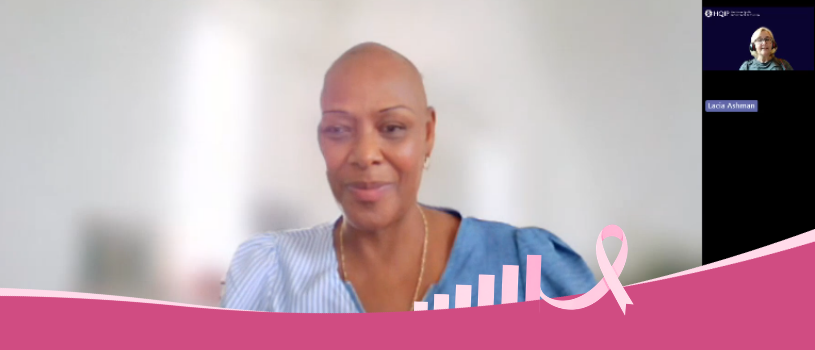
New patient video: My breast cancer story
To mark Breast Cancer Awareness Month, HQIP is sharing the full video interview with patient...